Case Study from HydroFLOW Ukraine
Nuclear plant cooling water on the distillate coolers
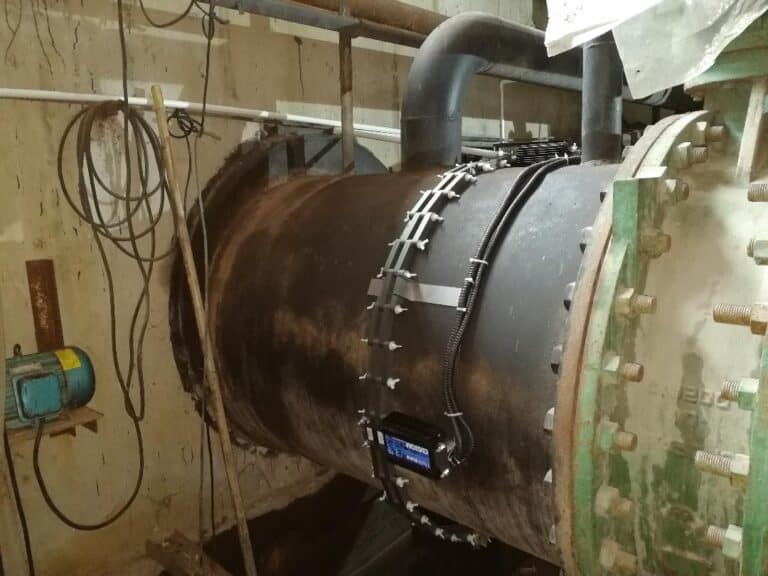
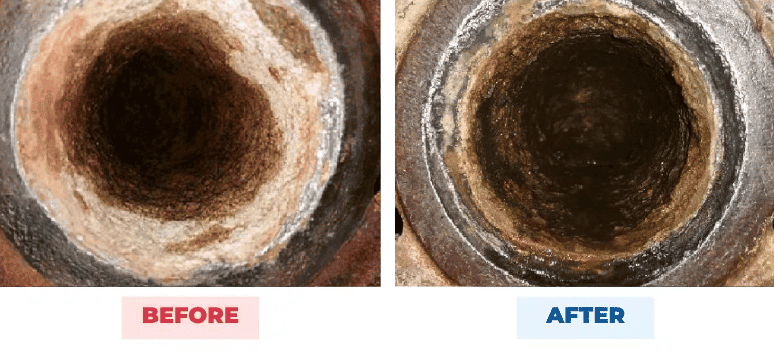
Nuclear plant cooling water had fouled the distillate coolers at a Ukrainian site with hard calcite deposits up to 12 mm thick. Sludge and biofilm with a putrefactive odour had built up, and snails were found inside the heat exchange tubes. Performance was deteriorating and cleaning was frequent. Two HydroFLOW® Industrial units were fitted to the 108 mm cooling water supply pipes upstream of the coolers, with monitoring from December 2019 to March 2020. Over that period the hard carbonate deposits softened, the biofouling cleared, snails were no longer found in the tubes and cooler performance recovered.
The Challenges
- Nuclear plant cooling water had left hard calcite deposits up to 12 mm thick
- Sludge, biofilm and a putrefactive odour were present
- Snails were found inside the heat exchange tubes
- Cooler performance was deteriorating and cleaning was frequent
- Any change had to be monitored over a defined period
The Solution
- Unit installed: two HydroFLOW® Industrial units
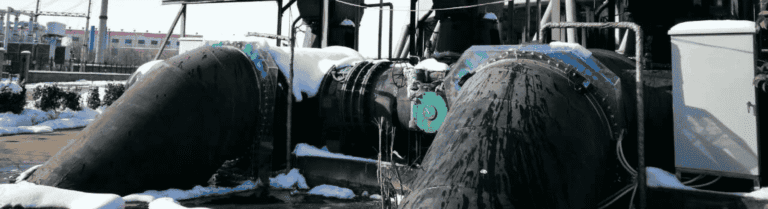
- Installation point: cooling water supply pipes upstream of the distillate coolers
- Pipe size: 108 mm
- Monitoring period: December 2019 to March 2020
The units went on the supply pipes upstream of the distillate coolers, so the nuclear plant cooling water was treated before it reached the tubes. The signal disrupts the conditions that bond scale to surfaces, softening hard carbonate deposits, and disrupts the conditions that let biofilm establish. Deposits, biofouling and cooler condition were then monitored from December 2019 to March 2020.