
Hotel Water Treatment
Keep Hot Water Flowing Control Scale & Legionella Protect Every Stay
HydroFLOW® conditions hotel water electronically, no chemicals, no salt, no cut into the pipe, fitted while the hotel operates. Calorifiers and heaters stay clean, fixtures stop blocking, and temperature and chlorine reach the bacteria they are aimed at.
Results from documented case studies; vary by water hardness, system design and baseline operation. View all hotel case studies →
Hard Water Costs a Hotel Twice — Plant Room and Guest Room
A hotel has no practical choice of water source. Supply comes from the mains or, at resort scale, a private well, and across much of the world it is hard — carrying dissolved calcium and magnesium that precipitate wherever water is heated. The systems affected first are the ones every stay depends on: calorifiers and hot-water tanks, tankless heaters, heat exchangers, dishwashers, steamers and the laundry. Scale insulates heating surfaces, so fuel use rises; it blocks tank drains and strainers, so maintenance intervals shorten. At the 92-suite Redwood Inn & Suites in Alberta, two hot-water tanks required a full maintenance day every six weeks to stay ahead of the deposits.
The same deposits reach the guest directly. Scale-blocked showerheads and aerators reduce pressure and hot-water delivery, furthest rooms first; deposits inside the dishwasher leave glassware cloudy and spotted; and at a 136-room San Antonio hotel, blocked strainers and fixtures had reached the point of room discounts and full refunds before the cause was identified. Scale also compounds the water-safety problem: its rough surface supports biofilm development, and biofilm shelters Legionella from the temperature and chlorine regime intended to control it.
Typical signs a hotel's water systems are scaling up:
- Low-flow alarms, guest complaints about pressure, and strainers or screens that block on a regular cycle
- Hot water running out or arriving lukewarm in the rooms furthest from the calorifier
- Showerheads and tap aerators crusting over faster than housekeeping can descale them
- Glassware coming out of the dishwasher cloudy or water-spotted despite fresh rinse aid
- Tank or calorifier cleaning intervals shortening, with drains that need pressure-jetting to clear
- Legionella sampling results that improve after each disinfection, then drift back

How Much Water Does a Hotel Actually Use?
Water runs through every part of a hotel's operation — guest bathrooms, kitchens, laundry, pools and spas, cooling towers and the hot-water plant behind them all. Most of it is heated, and that is where hard water takes its share: scale forms fastest exactly where the energy is spent. The duty side is equally fixed: in the UK, ACOP L8 and HSG274 Part 2 make Legionella control in hot and cold water systems a legal responsibility of whoever manages the premises, and Europe's ELDSNet surveillance scheme ties every reported travel-associated case to the accommodation where the guest stayed.
~300 litres per guest, per night
European hotels average around 300 litres of water per guest night — roughly double what the same person uses at home — with efficient operators managing nearer 140. Most of the difference runs through showers, laundry and kitchens: heated water, through scaling systems.
~20% of a hotel’s energy heats water
US survey data puts water heating at about a fifth of a lodging building's energy end use — as much as space heating. Every millimetre of scale on that plant is paid for in fuel before it is paid for in maintenance.
Legionnaires’ cases at record rates
Europe's Legionnaires' disease notification rate rose to 3.4 per 100,000 in 2024, and ECDC's ELDSNet scheme names accommodation sites linked to travel-associated cases. A listing brings inspections and can cost a hotel its tour-operator contracts — water safety is a commercial exposure, not only a legal one.
Sources: Gössling et al., Water management in the European hospitality sector, Tourism Management — per-guest-night averages and frontrunner benchmark · US EIA, Commercial Buildings Energy Consumption Survey (CBECS) 2018 — lodging · ECDC, Legionnaires' disease Annual Epidemiological Report 2024 · HSE, Legionella and Legionnaires' disease (ACOP L8 / HSG274). Figures are study- and agency-reported estimates; individual sites vary.
The True Cost of Untreated Water
The cost of untreated water is distributed across several budget lines — energy, maintenance, rooms out of service, guest compensation and compliance exposure — which is why it is rarely quantified as a single figure. The sections below set out where it accumulates.
Scale in Calorifiers, Tanks & Water Heaters
Heat drives minerals out of solution onto the very surfaces that transfer it. The cost lands twice: extra energy through the scale layer on every litre heated, then labour and downtime to drain and clean the vessels.
Blocked Fixtures & Falling Water Pressure
Every litre leaves its minerals at the smallest orifice. Pressure falls room by room, low-flow alarms multiply, and housekeeping descales fixtures on a rota that only shortens.
Biofilm & Recurring Legionella Results
Long pipe runs, empty rooms and warm return loops give biofilm what it needs. It shelters Legionella from temperature and chlorine, so results improve after every disinfection and then drift back.
Kitchen & Laundry Equipment Fighting Its Own Deposits
Dishwashers, steamers and laundry equipment concentrate hard water and heat in a small space. Scale on elements trips cut-outs, water spots reach the tables and linen, and cleaning becomes a shift of its own.
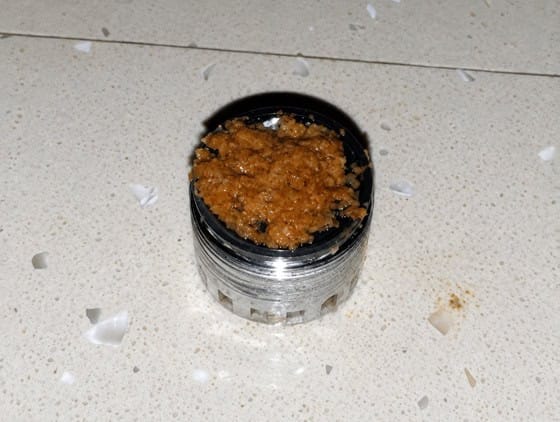
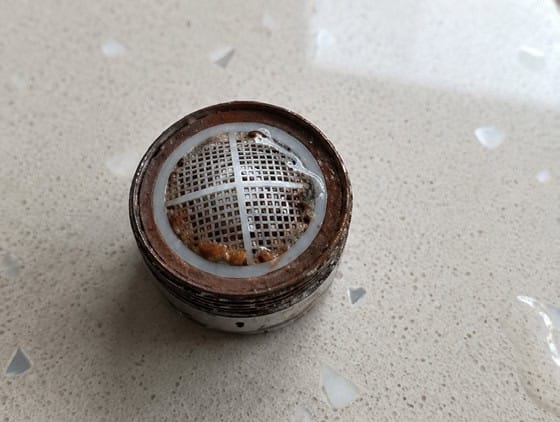
Grand Hotel Terme di Comano, Trentino: Legionella kept returning to this 55-room hotel's hot-water network after each sanitisation, reaching 10³–10⁴ CFU/L, with biofilm in the pipework indicated as the source. With one HydroFLOW® C100 on the incoming main and two P60 units on the hot-water manifolds — as part of a programme that also included thermal shock and purging — certified testing found Legionella below 10 CFU/L in every sample, and levels remained within limits seven months later. The plumber reported visibly cleaner boilers, pipes, filters and shower heads. Read the case study →
Where the Savings Add Up
Scale and biofilm carry a continuous cost across a hotel’s water — fuel, maintenance days, equipment life, rooms out of service and the reviews that follow. Hydropath addresses six of the most significant recurring costs.
Reduced Maintenance & Downtime
Cleaning intervals stretch when deposits stop bonding. Redwood Inn & Suites went from a tank-cleaning day every six weeks to none in six months, and at the Taj Chandigarh, weekly condenser cleaning was no longer needed on 1,000 ppm water.
Lower Energy Costs
Scale insulates heating surfaces — around 1 mm can cut heat transfer by about 7%. A French holiday-home residence cut scale 95% with estimated energy savings above 50%, and Half Moon Resort in Jamaica observed reduced fuel consumption on its supervisory system once heater cores stayed clean.
Fewer Chemicals to Buy & Handle
Cleaner systems need less chemistry to stay that way. The San Antonio hotel no longer needs harsh descaling chemicals for its heaters, and at a Taiwan hot-spring resort, maintenance costs halved across 30+ treated systems.
Rooms Returned to Service
Scale problems reach guests as low pressure, lukewarm water and compensation. Redwood Inn & Suites returned three unrentable suites to service; the San Antonio hotel no longer gives the discounts and refunds its hot-water failures had required.
Longer Equipment Life
Equipment lasts longer when its heating surfaces stay clean. The French residence had replaced five electric heaters a year; treated, they stayed operational — around €1,750 saved annually on heaters alone. Half Moon Resort's heater cores needed no crane-assisted removal for 8+ months, up from monthly.
Fast Return on Investment
A single fitting, no consumables and no servicing schedule. San Antonio's estimated ROI was well under one year; a Santa Fe resort on 923 ppm well water rolled HydroFLOW® out site-wide after a four-month trial and is still running it 8+ years on, and a 1,500-room Macau casino hotel went from trial to an 11-unit deployment.
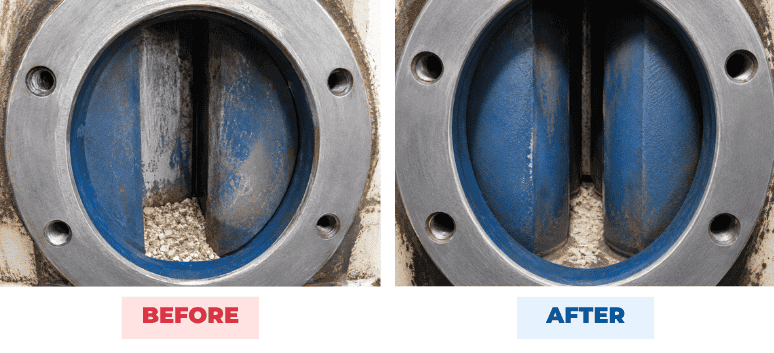
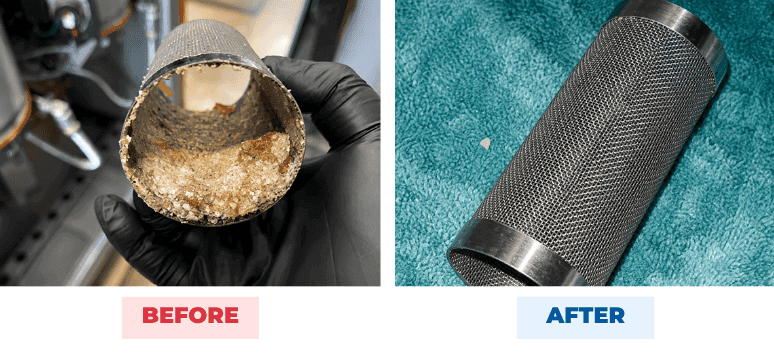
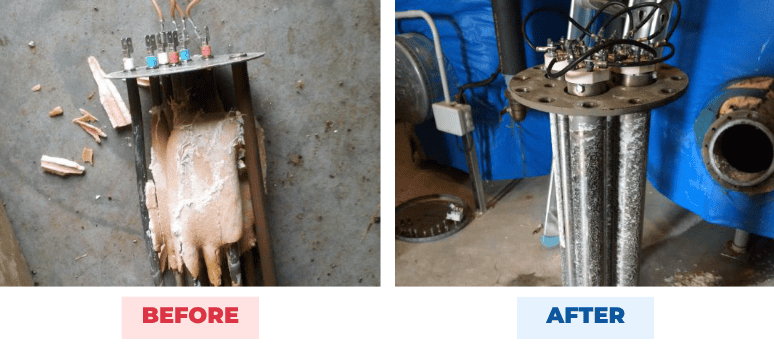
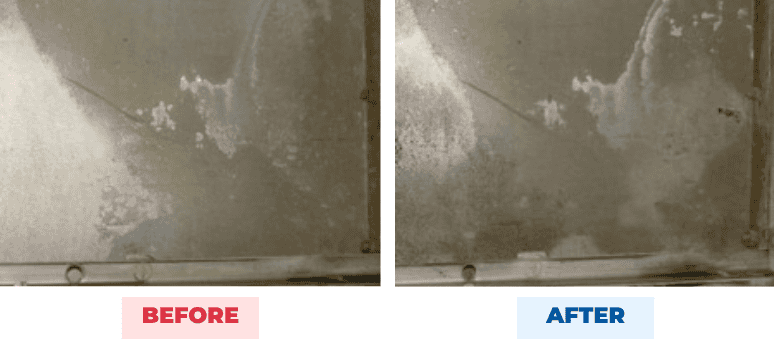
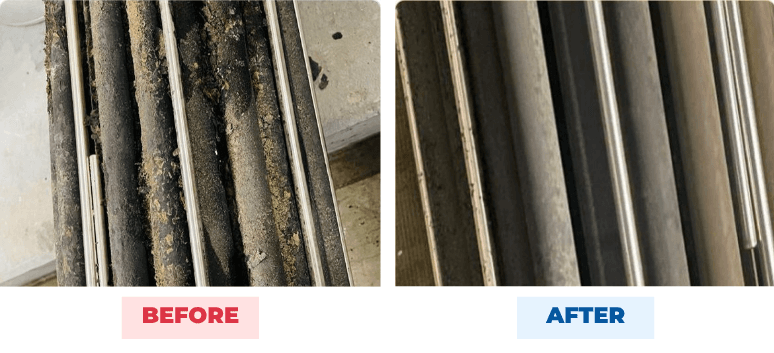
Redwood Inn & Suites, Alberta: two 80-gallon hot-water tanks had needed a full maintenance day every six weeks, with around an inch of scale each time and drains that had to be cleared with a high-pressure hose. After one HydroFLOW® C100 was fitted to the cold feed, neither tank was cleaned for six months, accumulation fell about 94% to roughly 1/16 inch, drains flowed freely and three suites returned to service.
Redwood Inn Alberta hot-water tank interior before and afterDon’t take our word for it — test it on your own site.
Every energy, maintenance and rooms-out-of-service figure on this page is designed to be independently verified using a documented, step-by-step testing protocol run on your own calorifiers, water heaters, kitchens and laundry.
Get a Free Site Water Assessment
Hotel Water Treatment Physical, Not Chemical!
A physical scale inhibitor for calorifiers, water heaters, kitchens, laundry and pools, powered by a patented electronic signal
HydroFLOW® induces a patented ~150 kHz signal into the water through the pipe wall. The signal changes how dissolved minerals behave: instead of bonding to heating elements, tank walls and fixtures as hard calcium carbonate scale, calcium and magnesium ions form loose clusters in the water. Where the water is heated — at a calorifier coil, a dishwasher element, a shower mixer — those clusters crystallise in suspension, as fine particles carried through the system rather than fouling the surfaces they pass.
The result is scale control at the point where deposits are born — the moment of crystallisation — with no salt, no dosing and no cut into the pipe. The signal propagates in both directions through the pipework, so a single unit on the incoming main or a plant-room feed protects the circuit beyond it. It works on copper, steel and plastic alike, and it continues working on water standing in the system overnight, in unoccupied wings and through seasonal closure — exactly the low-usage periods when scale settles and biofilm consolidates.
Because the treatment alters how minerals behave rather than what the water contains, nothing enters the water and its composition, hardness reading and taste are unchanged — no salt, no residue, and nothing new for guests to notice or for your water safety file to declare. Your potable-water duties, temperature regime and sampling programme stay exactly as they are; we can supply the technical documentation your risk assessor asks for.
Learn More About Our TechnologyA Different Approach to Hotel Water
How HydroFLOW® compares with the usual ways of protecting hotel plant from hard-water scale.
| HydroFLOW®Physical conditioner — no chemicals | Salt water softener | Antiscalant / chemical dosing | Acid descaling | |
|---|---|---|---|---|
| How it works | Electronic signal crystallises minerals in suspension so they cannot bond as scale in calorifiers, heaters and fixtures | Removes calcium & magnesium from the supply by ion exchange, substituting sodium | Dosed chemistry interferes with crystal growth or holds minerals in the water | Acid strips deposits after they have formed |
| Effect on guest water & taste | None Nothing added; composition, hardness reading and taste unchanged | Altered Raises sodium in the water guests drink and shower in; softened-water feel divides guests | Managed Dosed product in the system; dose control and records to keep | None Systems rinsed before return to service |
| Peak morning demand | Unaffected No flow limit and no regeneration cycle — the signal treats whatever the pipe carries | Sized to peak Must be sized and twinned for the 7am shower load; regeneration water and salt logistics on top | Unaffected Dosing follows flow | Offline Vessels drained and out of service for every clean |
| Consumables | None No salt, no acid, no dosing | Regular salt deliveries, storage and regeneration water | Continuous chemical purchase, storage and COSHH handling | Acid, neutralising and labour at every clean |
| Removes existing scale | Yes Gradually redissolves deposits | No Prevention only, downstream of the unit | Partial Depends on dose and programme | Yes But with downtime and metal loss at every clean |
| Legionella programme compatibility | Works alongside Disrupts the biofilm that shelters bacteria — your risk assessment, temperature regime and sampling stay in place | Indirect Softening does not address biofilm or existing scale | Parallel A second chemical programme to run and record alongside the first | Reactive Cleans vessels but does not stop deposits returning |
| Downtime to fit | None Installs around the existing pipe; no drain-down, no rooms out of service | Cut-in installation, drain-down, drainage and power | Injection point, dosing pump, tank and monitoring | Systems offline for every clean |
Swipe sideways to compare all four methods →
Comparison reflects typical products in each category; individual systems vary. HydroFLOW® is not a filter and not a disinfectant — filtration, disinfection and the site's Legionella risk assessment and ACOP L8 duties remain in place.
Applications
Key applications for hotels & resorts
A hotel’s water challenge runs from the incoming main to the pool plant. Each application links to its dedicated treatment page.
Limescale & Hot Water Systems
Protects calorifiers, hot-water tanks and tankless heaters — the plant behind every shower — and gradually removes the scale already there.
Heat Exchangers & Calorifiers
Keeps plate and shell-and-tube exchangers clean in heating and hot-water circuits, protecting heat transfer and cutting descaling downtime.
Legionella & Water Safety
Disrupts the biofilm that shelters Legionella from temperature and chlorine, supporting your control scheme — never replacing it.
Biofouling & Biofilm
Helps disrupt biofilm in long pipe runs, return loops and intermittently used wings — the low-flow places where it consolidates.
Cooling Towers & HVAC
Protects the condensers, cooling towers and chillers behind air conditioning and cold stores from scale and biofouling.
Pools & Spas
Supports clearer pool and spa water with less chemical demand, and protects the pumps, heaters and pipework that serve them.
Hospitals and care settings are covered on our Hospital page; food and beverage production, including large catering plant, on our Food & Beverage page.
Process Overview
Simple Installation. No Rooms Out of Service.
Our patented technology retrofits onto your existing pipework while the hotel stays open.
The Fit
The HydroFLOW® unit installs around your existing pipework — incoming main, plant-room feed or heater supply header — with no cutting, no drain-down and no rooms out of service. Typically under an hour, with the hotel operating throughout.
The Signal
A patented electronic signal propagates in both directions through the water, treating the circuit from a single point. It works through copper, steel and plastic alike, and continues on water standing overnight, in unoccupied wings and through seasonal closure.
The Results
Fixtures and flow respond first — the San Antonio hotel saw flow improve within a month. Tank and calorifier cleaning intervals stretch over months, as Alberta's six-month record shows, and water-safety evidence builds through your own sampling programme, as at Comano.
Proven On Site
Real Hotels. Real Results.
Drawn from Hydropath installations and our customers’ own feedback across city hotels, resorts, spa hotels and holiday residences.
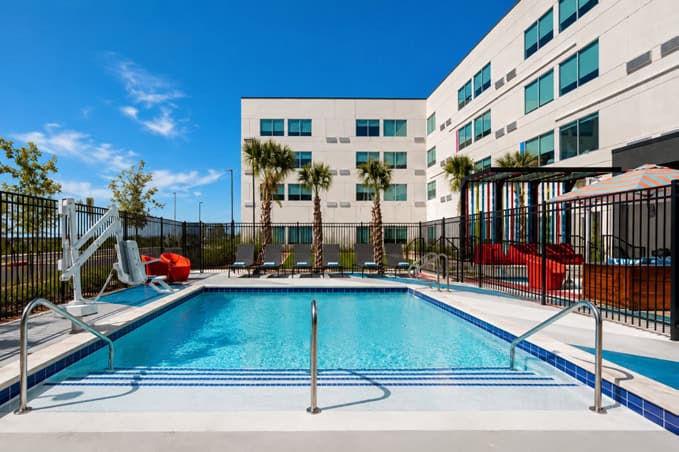
San Antonio Hotel: Heater Cleaning Cut 75% at 21 GPG
A 136-room San Antonio hotel on 357 ppm water restored hot water flow and cut heater cleaning by 75% with two HydroFLOW® i100 units.
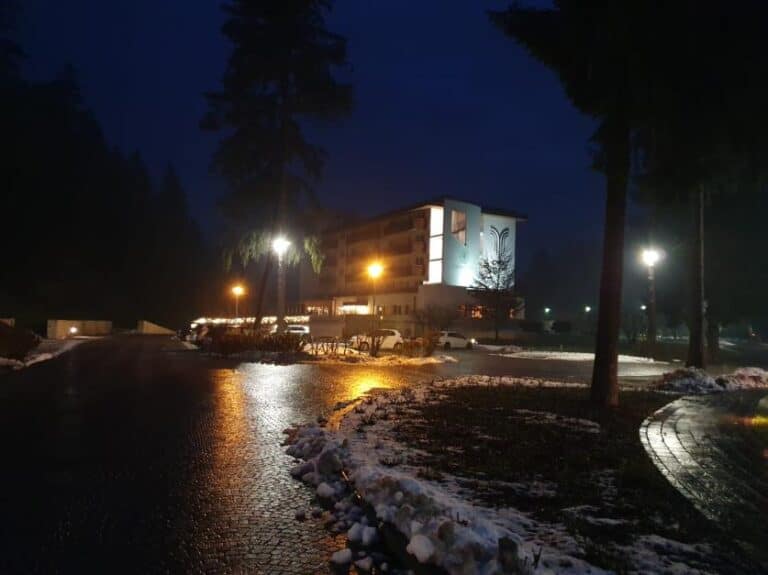
Comano: Legionella Under 10 CFU/L for Seven Months
Grand Hotel Terme di Comano brought every certified Legionella sample below 10 CFU/L and stayed within limits for seven months with three HydroFLOW® units.

Half Moon Jamaica: 8 Months With No Heater Removal
Half Moon Resort in Jamaica went eight months without removing a hot water heater for cleaning, down from monthly, with one HydroFLOW® C150.
Support & FAQ
Frequently Asked Questions
What is hotel water treatment?
Hotel water treatment is the set of measures that keep a hotel’s water systems safe, efficient and reliable — controlling Legionella in hot and cold water systems, managing hardness and limescale in calorifiers, water heaters, kitchens and laundry, and conditioning cooling, pool and spa water. In the UK the water-safety side is a legal duty under ACOP L8 and HSG274 Part 2; internationally, schemes such as ECDC’s ELDSNet tie travel-associated Legionnaires’ cases to the accommodation involved. HydroFLOW® adds a chemical-free physical layer inside that framework: it changes how minerals behave in the water so scale and biofilm stop forming on the surfaces where they cost energy, maintenance and guest satisfaction. It is not a disinfectant — the water-safety duties stay with the site.
How do hotels prevent Legionella, and who is responsible?
Legionella control in a hotel rests on a risk assessment and a written scheme: keeping hot water hot (stored at 60°C, distributed above 50°C), cold water cold, turnover regular, and outlets flushed — with monitoring to prove it. Responsibility sits with whoever controls the premises: legally the duty holder, in practice the general or facilities manager and a named responsible person. Scale and biofilm are what make the regime struggle — rough scale gives biofilm a home, and biofilm shelters bacteria from temperature and chlorine. At Grand Hotel Terme di Comano, where Legionella repeatedly returned after sanitisation, certified testing found below 10 CFU/L in every sample after HydroFLOW® was installed as part of a programme that also included thermal shock and purging — with results still within limits seven months on.
How often does a hotel need a Legionella risk assessment?
UK guidance sets no fixed interval. ACOP L8 requires the assessment to be reviewed regularly and specifically whenever there is reason to think it is no longer valid — a change to the water system, its use, key staff, or after a positive sample or a case. The often-quoted “every two years” is a habit, not a rule. What matters to the assessor is that the scheme’s controls demonstrably work; a system that stays clean of scale and biofilm makes that evidence easier to produce, because results hold between visits instead of drifting back.
Does hard water damage hotel boilers, calorifiers and water heaters?
It is the most expensive place scale can sit. Around 1 mm of scale can cut heat transfer by about 7%, paid in fuel on every litre heated — and US survey data puts water heating at roughly a fifth of a lodging building’s energy use. The maintenance cost compounds it: Redwood Inn & Suites in Alberta was spending a full maintenance day every six weeks cleaning two hot-water tanks, and a French holiday-home residence was replacing five electric heaters a year under 5 cm of scale. Treated, the Alberta tanks ran six months with no cleaning and 94% less scale accumulation; the French heaters stayed operational, saving an estimated €1,750 a year.
How do you remove limescale from a hotel hot water system?
There are three usual routes. Mechanical cleaning and acid descaling remove deposits after they have formed — at the cost of downtime, acid handling and metal loss, and the scale returns because nothing has changed in the water. Softening prevents scale downstream but removes nothing already there. HydroFLOW® works differently: with new deposits no longer forming, the water regains capacity to dissolve minerals and draws existing scale back into solution gradually, layer by layer, while the system stays in service. At the French residence the remaining scale “crumbled like sugar”; in Alberta, drains that had needed pressure-jetting flowed freely. Expect loosened material at strainers and fixtures in the first weeks — that is the system clearing.
Why is water pressure low in some rooms, or the hot water missing?
In a hard-water hotel the usual culprits are scale-blocked strainers, showerheads and aerators, and scaled heat exchangers that cannot keep up at peak demand — the rooms furthest from the plant suffer first. A 136-room San Antonio hotel reached the point of weekly low-flow alarms, guest refunds and room discounts; its water measured 21 grains per gallon. After two HydroFLOW® i100 units were installed on the mains feeding its tankless heaters, flow improved within a month, the alarms became rare, and previously clogged showerheads and aerators showed minimal debris.
Why do glasses come out of the dishwasher cloudy or spotted?
Hard water minerals dry onto glassware as spots and film, and the same minerals coat the dishwasher’s own elements and internals, so the machine washes worse as it scales. A Waikiki hotel recorded a noticeable reduction in dishwasher limescale within 60 days of fitting a HydroFLOW® S38, with significantly fewer water spots on dishes and glassware; a five-star Hong Kong hotel saw visible scale reduction on a dishwasher heater that had been cutting the machine out. Rinse chemistry stays as it is — it simply stops fighting the deposit.
Does it replace our Legionella control programme or ACOP L8 duties?
No. HydroFLOW® is not a disinfectant and does not sanitise water — your risk assessment, temperature regime, flushing routine, sampling programme and written scheme stay exactly where they are. What changes is how hard they have to work: when scale and biofilm are disrupted, temperature and chlorine reach the bacteria they are aimed at. The case studies on this page show monitoring results improving while the control scheme stays in place — never the scheme being removed.
Is it a filter, and does it change the water guests drink?
No to both. HydroFLOW® is not a filter and does not remove sediment or suspended solids — any filtration stays in place, and in the first weeks you should expect more material at strainers, not less, as existing scale releases. And nothing enters the water: the unit induces its signal through the pipe wall without contacting the flow, so composition, hardness reading and taste are unchanged — no salt, no residue, nothing for guests to notice. If your primary problem is supply quality or sediment rather than scale and biofilm, filtration and supply treatment are the answer and we will tell you so.
Can it be fitted without closing rooms?
Yes. The unit installs around the outside of the existing pipe — no cutting, no drain-down, no interruption to hot water — typically in under an hour, with the hotel operating throughout. That also makes trials straightforward: a unit on one system, measured against your own maintenance logs and sampling results, is how most of the sites on this page started. A Macau casino hotel began with a trial in 2021 and now runs eleven units across 1,500 rooms.
How quickly will we see results?
It depends what you measure. Flow and fixtures respond first — San Antonio’s flow rates began improving within a month. Cleaning intervals stretch over months: Alberta’s tanks ran six months without cleaning where six weeks had been the rule, and Half Moon Resort’s heater cores needed no removal for over eight months. Existing scale releases gradually — the Waikiki dishwasher showed a noticeable reduction at 60 days — and water-safety evidence builds through your own sampling programme, as Comano’s seven months of compliant results show. Low-usage periods do not pause it: the signal keeps working on standing water overnight and through seasonal closure.
Ready to Cut Scale, Downtime and Guest Complaints?
Tell us about your site — your systems, your water and what fails first — and our team will recommend the right units and set out what to expect, including where our assessment is that we cannot help.
Ready to explore sustainable water treatment?
Get in touch to find out how HydroFLOW® can work for you.

© 2026 Hydropath Technology Ltd. All rights reserved