
Desalination Water Treatment
Protect Membranes Extend Membrane Life Cut CIP Frequency
In a desalination plant, the reverse osmosis membranes are the most expensive and most vulnerable asset. Scale and biofouling on the membrane surface lift differential pressure, cut permeate flux and salt rejection, and force relentless chemical cleaning. HydroFLOW® is a chemical-free pretreatment technology for SWRO and brackish water plants that conditions the feed water physically — working alongside your existing treatment train to reduce chemical demand, from a single install on the outside of your pipe.
Results from named-site case studies on desalination and RO systems; vary by site conditions and baseline operation. View all case studies →
Why Membranes Foul — and What It Costs a Desalination Plant
In the water desalination process, high-pressure pumps push feed water through reverse osmosis membranes that reject salt and pass fresh permeate — the method behind more than 80% of the world's installed desalination capacity. As the feed concentrates along the array, it becomes supersaturated in calcium carbonate and calcium sulphate, which drop hard scale on the desalination membrane. At the same time, warm, nutrient-rich seawater feeds biofilm and marine growth. Reverse osmosis membrane fouling from scale and biofouling both raise differential pressure, cut flux and salt rejection and force frequent clean-in-place (CIP) — a running cost that places a heavy burden on any desalination plant, whether it treats seawater (SWRO) or brackish groundwater.
Typical signs your pretreatment is losing the battle:
- Rising differential pressure and falling permeate flux across the RO array
- Scale (CaCO₃, CaSO₄) and biofouling on membrane and reject surfaces
- Marine growth and biofilm in intakes, screens and feed lines
- Frequent CIP, heavy antiscalant dosing and shortened membrane life
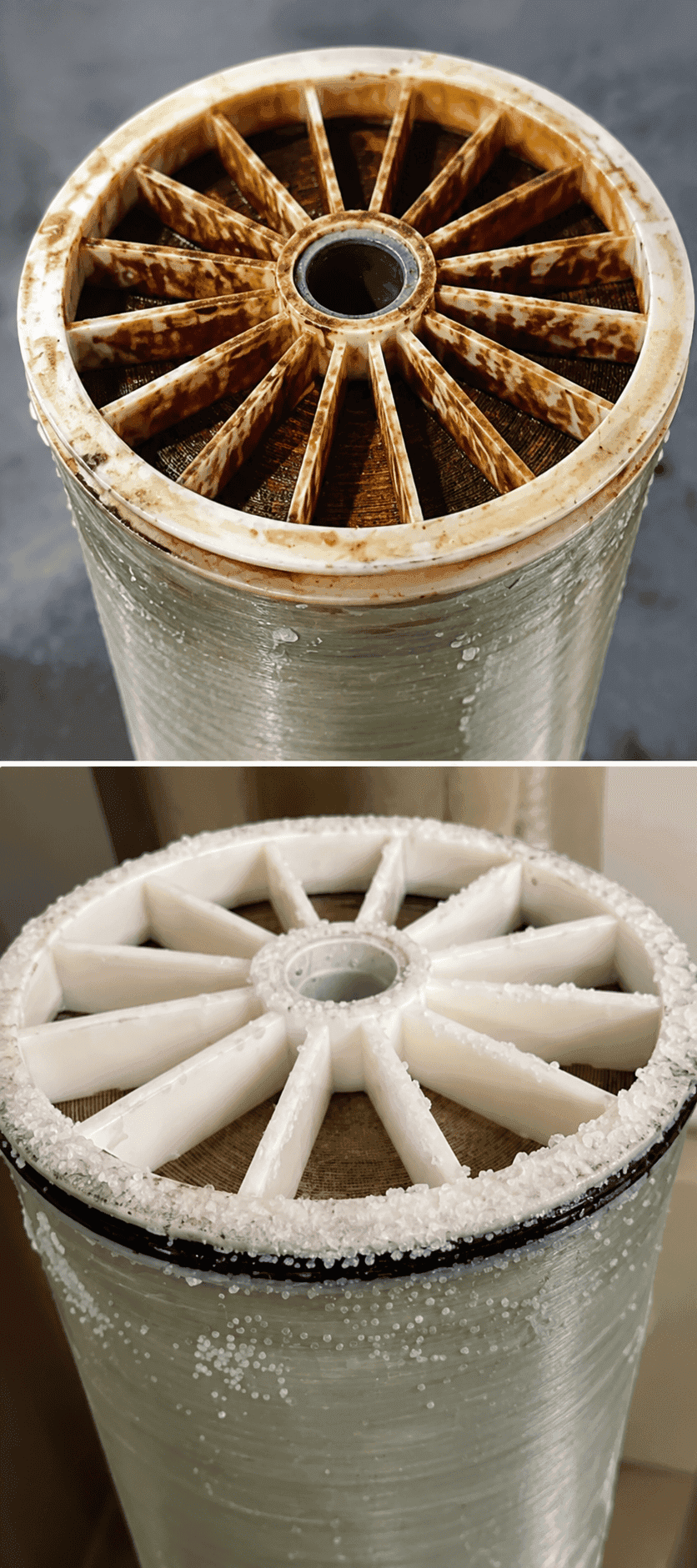
The True Cost of Fouled Membranes
Left untreated, scale and biofouling carry a continuous cost across membrane life, energy, chemicals and output — everywhere the feed water flows.
Scale on the Membrane
As the feed concentrates, calcium carbonate and sulphate crystallise on the membrane surface, raising differential pressure and cutting flux and salt rejection.
Biofouling & Marine Growth
Warm seawater feeds biofilm on membranes and marine growth in intakes and screens, throttling flow and driving shock dosing and cleaning.
Antiscalant & CIP Chemicals
Pretreatment leans on continuous antiscalant plus repeated clean-in-place — recurring cost, storage, handling risk and discharge limits on reject.
Lost Output & Membrane Life
Fouled membranes cut permeate output, raise the energy per cubic metre and reach end of life sooner — the two biggest costs a desalination plant carries.
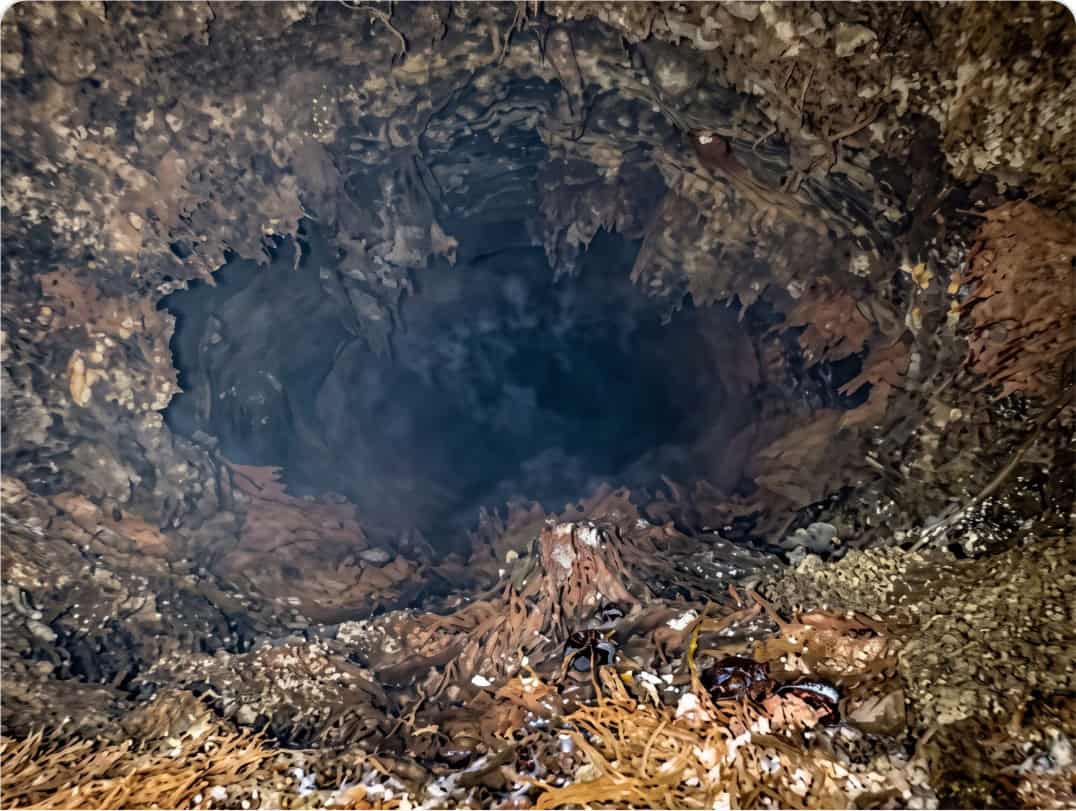
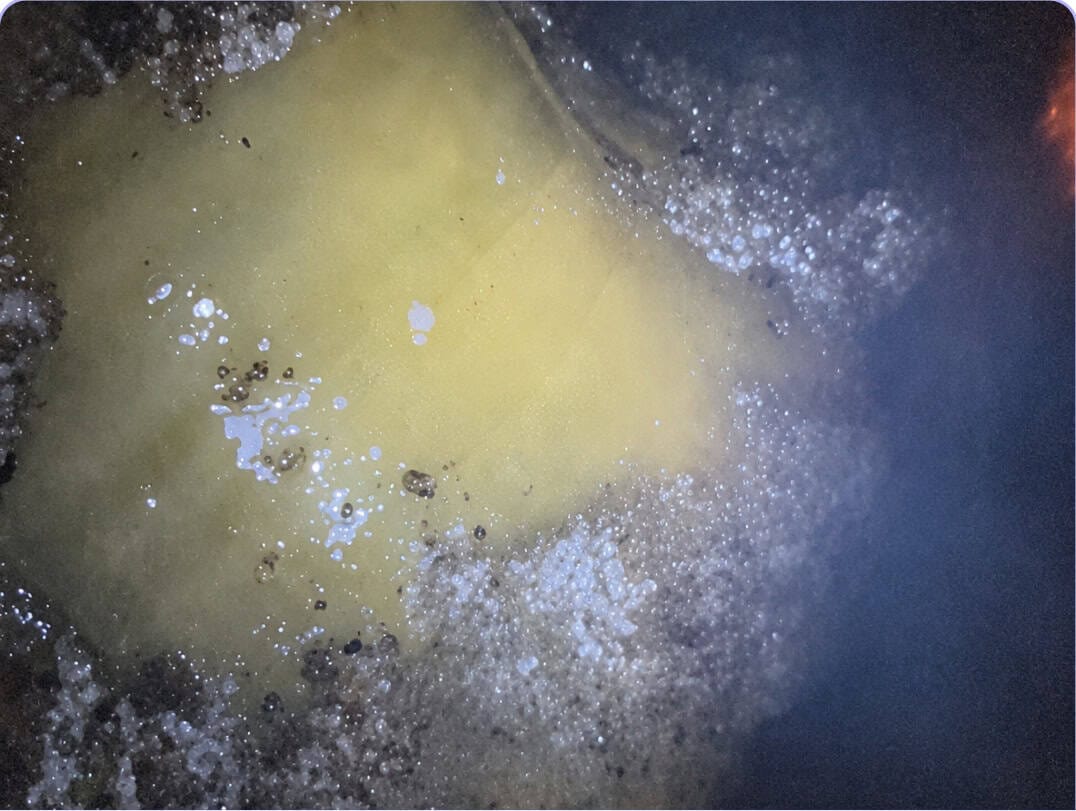
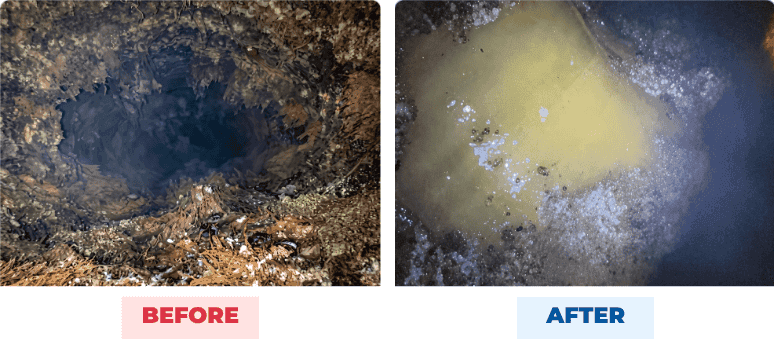
Chile desalination plant: the HydroFLOW®-treated seawater intake line stayed clean for 223 days with no cleaning or chemicals — while an untreated control line fouled with marine growth. Read the case study →
Where the Savings Add Up
Antiscalant chemicals, CIP and membrane replacement carry a continuous cost across a desalination plant — the recurring share of desalination plant cost that operators can actually control. Hydropath addresses the most significant recurring costs, lowering the cost per cubic metre of water produced.
Lower Antiscalant & Dosing
Reduce antiscalant dosing on the membranes — Imperial Oil Canada cut antiscalant to 0.0 ppm. Results vary by site and feed chemistry.
Fewer CIP Cleans
Cleaner membranes need less RO membrane cleaning — MV Detroit Express cut CIP cleaning by 86% on a seawater system.
Extended Membrane Life
Controlling scale and fouling protects membranes from premature ageing — an Italian potabilization plant protects its RO membranes at 840 ppm hardness.
Maintained Flux & Recovery
Keeping scale off the membrane holds flux and recovery — a Middle East RO plant reached 81% peak recovery, with cartridge life up from 30–60 to 250 days.
Lower Energy Use
Clean membranes and heat-exchange surfaces run at design differential pressure, reducing pumping energy per cubic metre of water produced.
Fast Return on Investment
Lower chemical, membrane and energy cost builds a quick payback — a Chile desalination plant ran 223 days with no intake cleaning or chemicals.
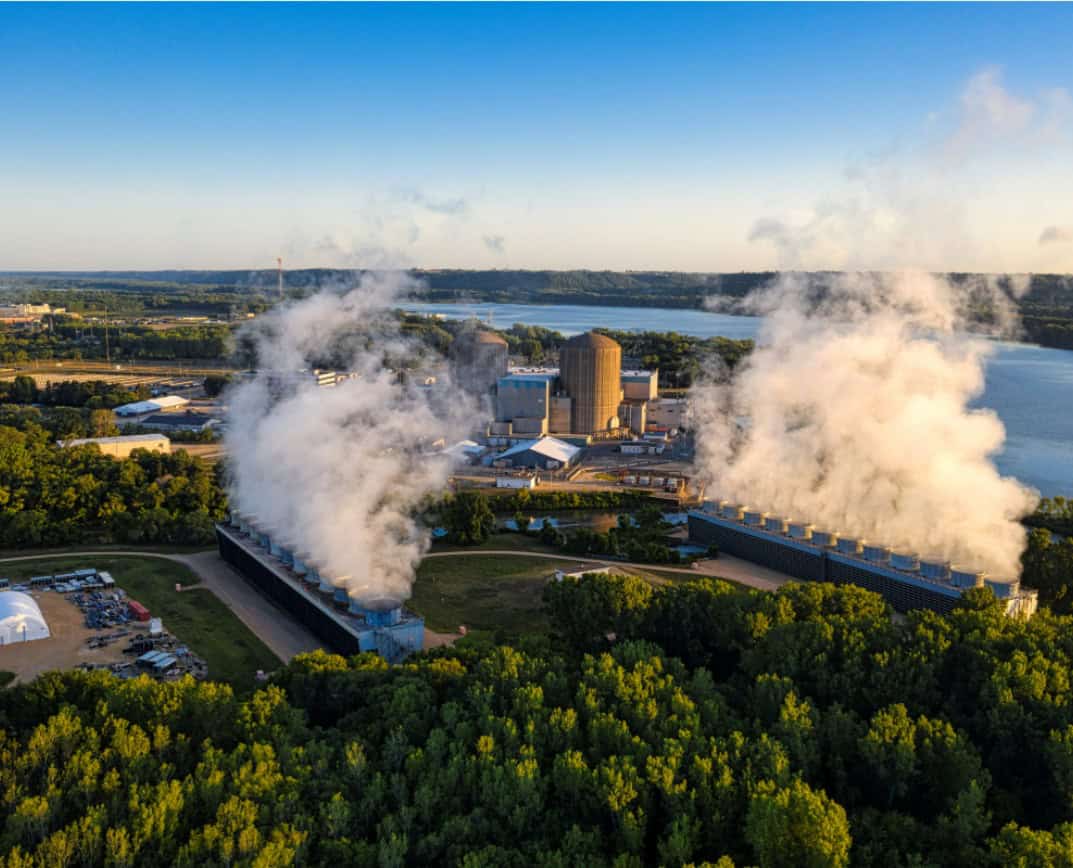
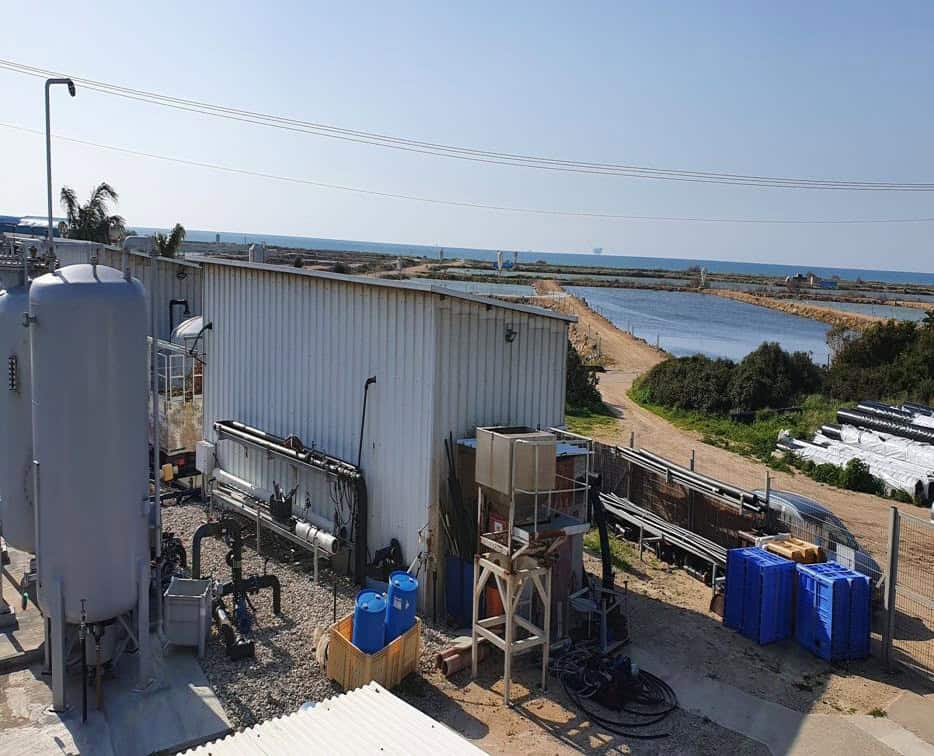
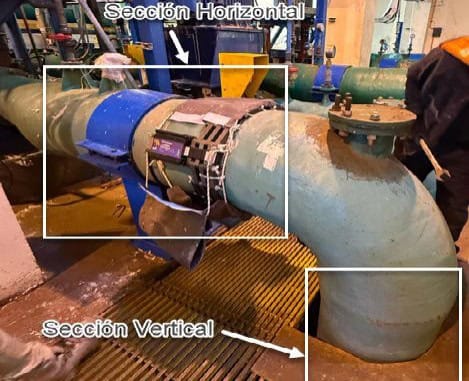
Poggibonsi, Italy: a single HydroFLOW® iCustom on the main delivery pipe protecting the potabilization plant's RO membranes at 840 ppm hardness — with reduced flocculant and antiscalant demand.
Italy potabilization plant RO membranes protected at 840 ppmSee the results proven on your own plant.
Every antiscalant, CIP, membrane-life and energy saving described on this page is designed to be independently verified, using a documented, step-by-step testing protocol carried out on your own intake, pretreatment train and RO arrays — with your plant's own differential pressure, flux and recovery data as the evidence.
Talk to Our Water Team
Reverse Osmosis Desalination Protection Without Chemicals
A physical conditioner on the RO feed that works alongside your existing dosing, powered by a patented electronic signal
HydroFLOW® induces a patented ~150 kHz signal into the feed water through the pipe wall. The signal changes how dissolved minerals behave: instead of calcium carbonate and sulphate bonding onto the membrane surface as hard scale, they are encouraged to crystallise in suspension — as fine particles carried through to the reject rather than cemented to the membrane.
The same signal disrupts the conditions biofilm needs to settle, helping control biofouling alongside scale. The unit doses nothing into the water and needs no plumbing changes — the signal propagates in both directions through the pipework, so one unit protects the pretreatment and RO feed line, working continuously, 24/7, as part of your existing treatment train. Further detail is available on our reverse osmosis and biofouling pages.
Learn More About Our TechnologyFrom Intake to Membranes — Cleaner Water at Every Stage
A physical conditioner on the feed changes the whole plant picture — from the intake you keep clear to the CIP cleans you no longer schedule.
Cleaner Intakes & Feed
Helps control marine growth and biofilm in seawater intakes, screens and feed lines so the pretreatment train delivers cleaner water to the membranes.
Protected Membranes
Keeps scale-forming minerals in suspension so they pass to reject rather than bonding to the membrane — holding flux and salt rejection and reducing CIP frequency.
Lower CIP & Chemical Load
Fewer clean-in-place cycles and less antiscalant dosing across the train — along with the storage, handling and discharge that comes with them.
A Different Approach to Desalination Pretreatment
How HydroFLOW® compares with the usual ways of protecting reverse osmosis membranes from scale and biofouling.
| HydroFLOW®Physical conditioner — adds no chemicals | Antiscalant dosing | Clean-in-place (CIP) | Shock chlorination / biocide | |
|---|---|---|---|---|
| How it works | Electronic signal crystallises minerals in suspension and disrupts biofilm settlement | Chemicals interfere with crystal growth in the feed | Chemicals dissolve scale and foulant after they have formed | Chemicals kill organisms in the water and on surfaces |
| Consumables | None The unit itself uses no chemicals | Continuous chemical purchase, storage & handling | Cleaning chemicals + downtime each clean | Ongoing biocide purchase & discharge control |
| Addresses biofouling | Yes Disrupts settlement whole-line | No | Reactive Only after fouling has formed | Yes But adds chemical load |
| Effect on membrane life | Supports Steadier flux & longer life | Protects against scale, but does not address biofouling | Each aggressive clean stresses membranes | Overdose can damage membranes |
| Downtime to fit | None Installs on, plant stays in service | Dosing plant install & monitoring | Array offline for each clean | Dosing plant & monitoring |
Swipe sideways to compare all four methods →
Comparison reflects typical approaches; individual plants and feed chemistries vary. HydroFLOW® works alongside the rest of the pretreatment train, not as a replacement for it.
Applications
Applications across a desalination plant
Reverse Osmosis & Antiscalant
The core RO application — cutting antiscalant dosing and membrane fouling to protect flux and salt rejection and membrane life.
Biofouling & Biofilm
Helps control biofilm and marine growth in intakes, screens and feed lines — reducing shock dosing and CIP.
Limescale & Mineral Scale
The wider scaling picture — calcium carbonate and sulphate scale, its causes, prevention and removal.
Seawater & Marine Systems
Protects seawater intakes and cooling lines from marine growth and scale — the same physics used across marine systems.
Heat Exchangers
Reduces scale and fouling on feed-heating and energy-recovery heat exchangers to protect thermal efficiency.
Flocculation & Filtration
Supports cleaner pretreatment filtration ahead of the membranes across the desalination train.
Process Overview
Simple Installation. Immediate Protection.
Fits a live desalination plant with no shutdown and no pipework changes.
The Fit
The HydroFLOW® unit clamps around your existing intake, pretreatment or RO feed line — no cutting, no welding, no plant shutdown. Compatible with any pipe material.
The Signal
A patented electronic signal propagates in both directions through the water, treating the feed line from a single point — working continuously, 24/7.
The Results
Scale-forming minerals crystallise in suspension and biofilm is disrupted. As membranes stay cleaner, CIP frequency, antiscalant dosing and downtime can be reduced.
Proven On Site
Real Desalination Plants. Real Results.
Drawn from HydroFLOW® installations on real desalination and RO plants — protecting intakes, feed lines and membranes from the scale and biofouling that drive plant cost.
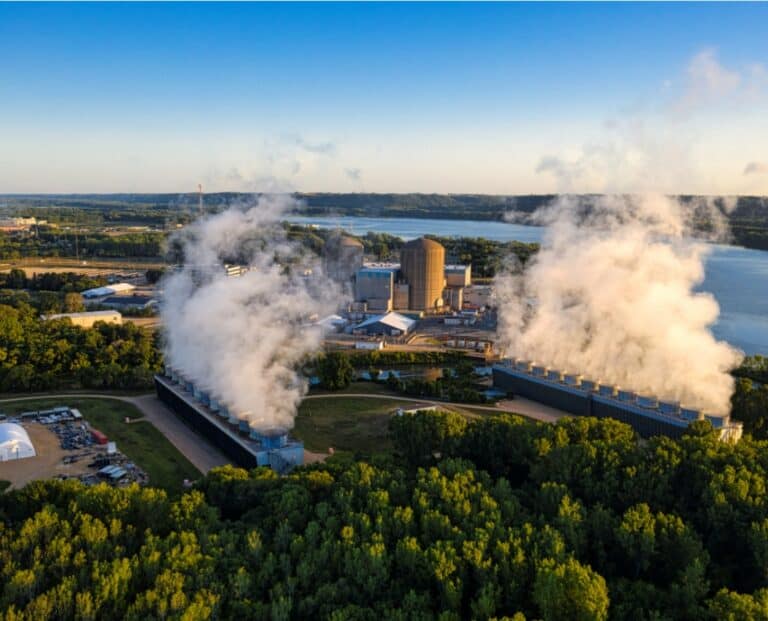
Chile Desalination: 223 Days No Intake Cleaning
A Chile desalination plant kept its seawater intake line clear of mussels for 223 days with a HydroFLOW® Custom i20" unit, while the control line fouled.
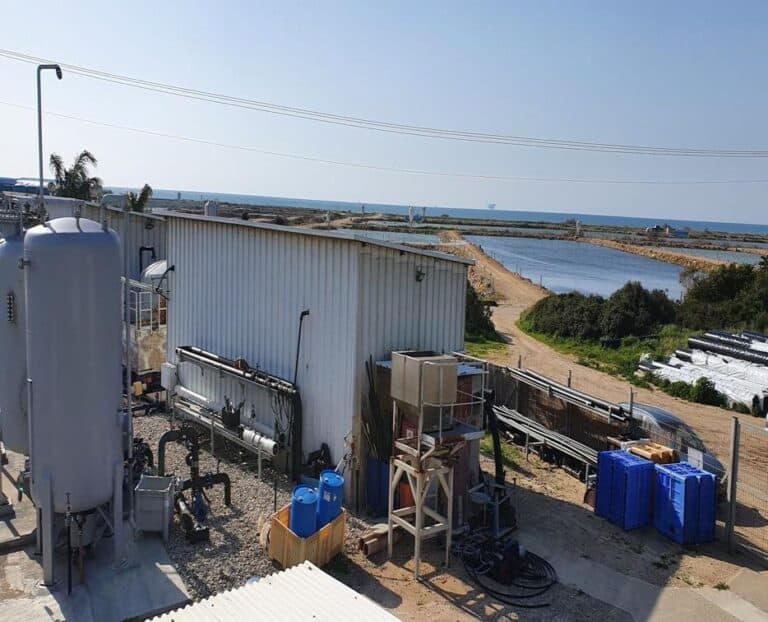
Italy Potabilization Plant: RO Protected at 840 ppm
Acque SpA's Poggibonsi plant protected RO membranes from 840 ppm hardness water with a HydroFLOW® iCustom 16" unit, cutting chemicals and maintenance.
Middle East RO Plant: 81% Recovery, 250 Day Cartridges
The Kantor desalination plant cut biofouling on its RO systems with three HydroFLOW® i100 units, lifting peak recovery to 81% and cartridge life to 250 days.
Support & FAQ
Frequently Asked Questions
What is desalination pretreatment and why does it matter?
Desalination pretreatment is everything done to seawater or brackish feed before it reaches the reverse osmosis membranes — screening, filtration, and scale and biofouling control. It matters because the membranes are the most expensive and most vulnerable part of a desalination plant. Scale (calcium carbonate, calcium sulphate) and biofouling on the membrane surface raise differential pressure, cut permeate flux and salt rejection, and force frequent chemical cleaning (CIP). Better pretreatment means longer membrane life, steadier output and lower energy and chemical cost across the plant.
How does HydroFLOW® protect reverse osmosis membranes with less chemical treatment?
Can it reduce antiscalant dosing in seawater desalination?
Yes. Because HydroFLOW® keeps scale-forming minerals in suspension instead of letting them deposit, it targets the same problem antiscalant dosing addresses in reverse osmosis desalination — so it can reduce scale-control chemical demand while helping protect flux and rejection. It works alongside the rest of the pretreatment train. Any biocide, dechlorination or process chemistry is separate and should be maintained as your plant’s design and standards require; HydroFLOW® targets the scale-related share of chemical spend.
Does it help with biofouling and marine growth at the intake?
Yes. The same electronic signal disrupts the surfaces biofilm, mussels and barnacles need to settle, so it helps control biofouling in seawater intakes, screens and feed lines. On real seawater systems, HydroFLOW® cleared mussel fouling and restored flow on a Cape Town seawater line, and cut CIP cleaning by 86% on a seawater circuit — the same physics that protects a desalination plant intake and RO feed. Biofouling control should always be verified against your plant’s monitoring and any statutory requirements.
Will it fit our existing desalination plant pipework?
Yes. HydroFLOW® fits on the outside of steel, GRP or plastic pipework and suits seawater intakes, pretreatment, RO feed, brine and reject lines across seawater and brackish desalination plants. Because it installs without cutting into the line, units can be fitted while the plant stays in service, and correctly sized units protect the run from a small number of installation points — with no consumables and continuous 24/7 operation.
Does it work on both SWRO and brackish water desalination plants?
Yes. The physics is the same in seawater reverse osmosis (SWRO) and brackish water desalination: as recovery rises, calcium carbonate and calcium sulphate supersaturate and deposit on the desalination membrane. HydroFLOW® conditions the feed in both cases, keeping minerals crystallising in suspension. Brackish plants, which often run at higher recovery and scale harder on the last stage, typically see the strongest scale-control benefit; seawater plants gain most on biofouling and CIP reduction.
How does membrane fouling affect desalination plant cost?
Membrane fouling drives most of a desalination plant’s controllable operating cost. Reverse osmosis already accounts for more than 80% of installed desalination capacity worldwide, and a modern SWRO plant uses roughly 2.5–6 kWh of electricity per cubic metre — fouled membranes push that energy figure up, cut permeate output, force extra CIP chemical cleans and shorten the life of the plant’s most expensive consumable. Chemical-free pretreatment that keeps membranes cleaner attacks all four costs at once: energy per cubic metre, chemicals, downtime and membrane replacement.
Ready to Protect Your Membranes and Cut CIP?
Tell us about your desalination plant, feed water and current antiscalant and CIP routine, and our team will recommend the right units and estimate your potential chemical and membrane-life saving.
Ready to explore sustainable water treatment?
Get in touch to find out how HydroFLOW® can work for you.

© 2026 Hydropath Technology Ltd. All rights reserved