
Marine Water Treatment for Vessels
Protect Your Vessel Cut Your Costs
Hydropath Marine reduces maintenance, chemical and downtime costs across your fleet by treating scale, biofouling and corrosion throughout your vessel’s water systems. Proven on 193 vessels worldwide and supported by DNV Type Approval.
Results from named-vessel case studies; vary by vessel and baseline operation. View all marine case studies →
How Marine Water Treatment Stands Apart
Marine water systems face one of the harshest operating environments on earth. Constant seawater exposure drives scale, biofouling and corrosion across cooling systems, heat exchangers, freshwater generators and onboard pipework — with biofouling-related cooling-system failures estimated to cost the industry €1.5–1.8 billion a year worldwide. With limited maintenance windows, even minor issues can lead to costly downtime and reduced vessel performance.
Heat Transfer Efficiency Loss
Scale and biofouling reduce heat transfer performance across cooling systems and heat exchangers, increasing energy consumption and equipment stress.
Helps keep heat-transfer surfaces cleaner — supporting efficient operation, system performance and sustained FWG output.
Frequent Cleaning Intervals
Heavy scale and biofouling can require repeated cleaning of freshwater generators, heat exchangers and cooling systems.
Reduces deposit build-up, extending cleaning intervals and simplifying maintenance procedures.
Harsh Chemical Cleaning
Descaling often requires aggressive acids and chemicals that increase maintenance effort and operational costs.
Scale deposits become easier to remove, reducing the need for intensive chemical cleaning.
Chemical Exposure to Crew
Acids and biocides handled in confined onboard spaces put crew health at risk.
Electronic treatment means far fewer chemicals to store, handle and dose.
Limescale in FWG & Heat Exchangers
Scale cripples freshwater generators and heat exchangers, forcing the vessel offline to descale.
Helps keep minerals in suspension so scale is less able to bond, and can help reduce existing deposits — without taking the vessel offline.
Biofouling & Legionella Risk
Biofilm and legionella breed in pipework — risking crew illness and failed inspections.
Helps disrupt bacteria and lift biofilm from surfaces.
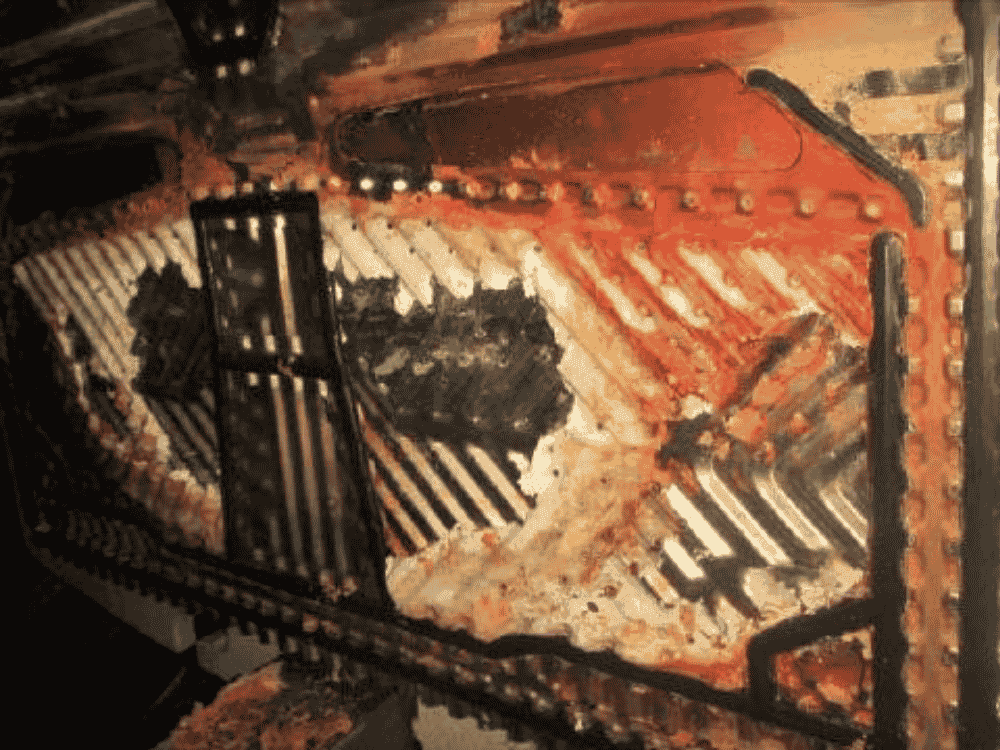
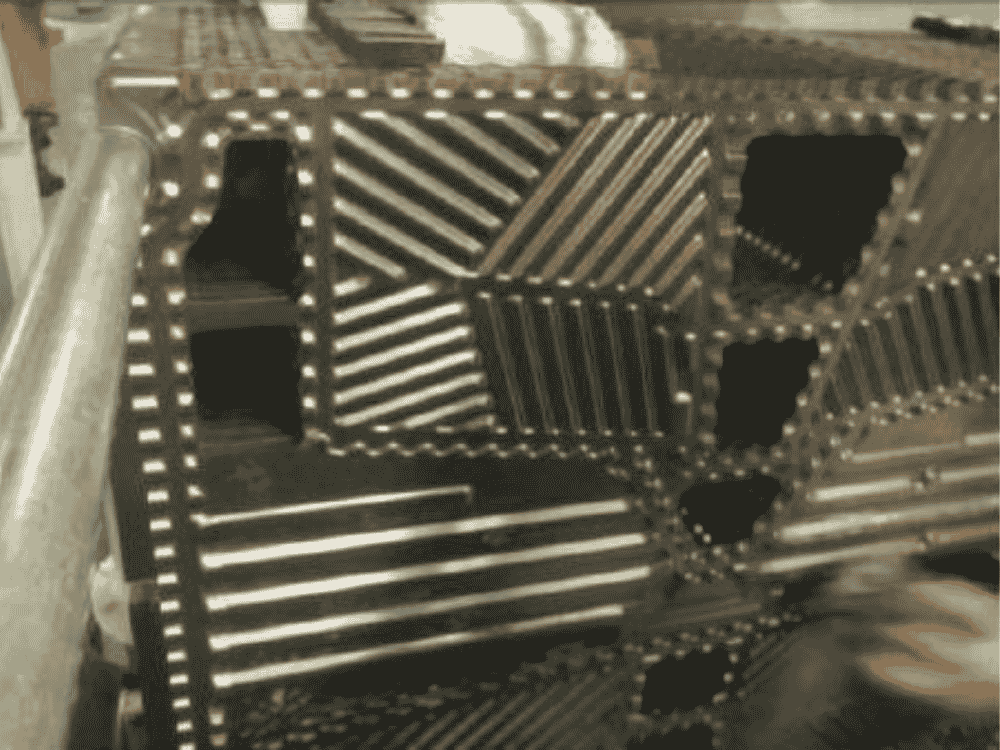
MV Detroit Express: fresh water generator CIP cleaning cut by 86% and chemical dosing dropped entirely — 58% fewer FWG openings over a 12-month trial. Read the case study →
Process Overview
One Signal. Four Critical Solutions.
HM Range uses patented electronic water treatment technology, inducing a signal into your existing pipework — no chemicals, no cutting, no system downtime.
Limescale
The signal causes minerals to form suspended crystals rather than hard scale on pipework, heat exchangers and FWG surfaces — and gradually dissolves existing deposits.
Learn about limescale treatmentBiofouling & Bacteria
Bacteria — including legionella — are charged by the signal, osmotically rupturing the cell. Biofilm releases from pipe surfaces and is flushed out.
Learn about biofouling controlFlocculation & Filtration
The signal causes fine particles to aggregate into larger flocs that filters can capture, improving clarity and filter performance in side-stream and pretreatment systems.
Learn about flocculation & filtrationCorrosion Reduction
By disrupting biofilm and the bacteria that drive microbiologically influenced corrosion (MIC) — alongside preventing scale — Hydropath helps extend the operational life of pipes, valves and onboard equipment.
Learn about corrosion controlWhere the Savings Add Up.
Limescale and biofouling carry a continuous financial cost — across chemical procurement, maintenance labour, fuel, downtime and equipment life. Hydropath Marine addresses six of the most significant recurring costs over a vessel’s operating life.
Fewer Treatment Chemicals
Reduce the antiscalants and biocides you procure, ship and store — fleets have reported freshwater-generator dosing reduced, in some cases to zero.
Reduced Maintenance Labour
Less daily dosing, chemical handling and descaling — freeing crew hours and lowering routine maintenance.
Less Freshwater-Generator Downtime
Operators have reported FWG service time falling from 24–48 hours to 4–8 hours, helping keep freshwater production online.
Lower Fuel & Energy Costs
Maintaining clean evaporators and heat exchangers helps preserve heat transfer, supporting design efficiency and reducing fuel use and CO₂.
Extended Equipment Life
Less scale and biofouling means heat exchangers need opening for cleaning far less often — sparing gaskets, seals and costly titanium plates from aggressive chemical and mechanical cleaning, extending equipment life and lowering replacement costs.
Fewer Port Delays
Cleaner, well-maintained water systems help reduce unplanned stoppages, off-hire days and emergency dockside intervention.
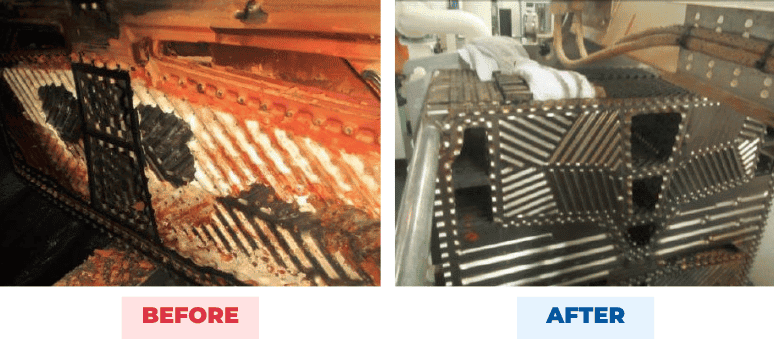
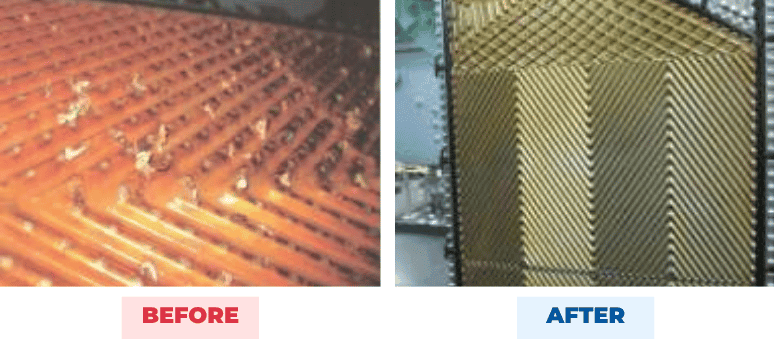
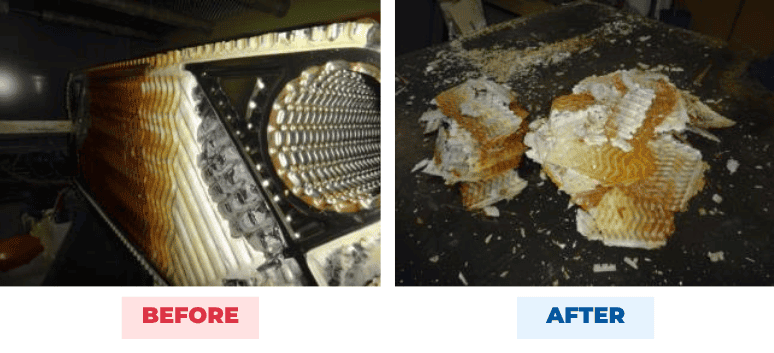
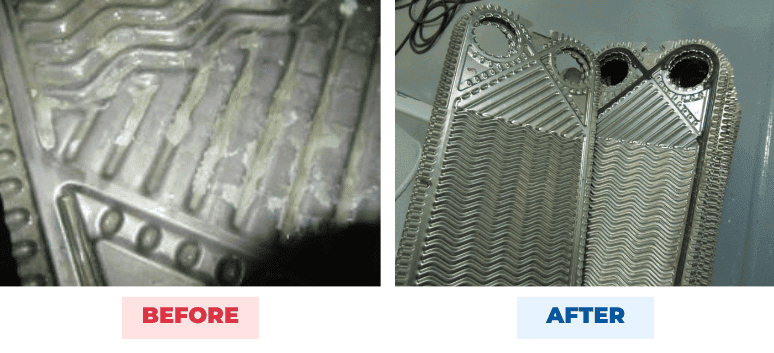
One fit. A return that compounds every voyage.
Tell us your vessel's FWG capacity and current chemical spend, and we'll estimate your annual saving.
Calculate Your SavingsDesigned for Every Vessel
Configured for Your Class of Ship.
Different vessels carry different systems and risks. Hydropath Marine is configured for each — from container fleets to superyachts.
Car Carriers (PCC / PCTC)
Pure car and truck carriers running extensive freshwater generation, crew accommodation and engine cooling systems across long deep-sea trade routes.
Container & Cargo Ships
High-throughput vessels with extensive freshwater generation, boilers, and crew accommodation systems running continuously across long ocean voyages.
Oil & Chemical Tankers
Tankers where pump and pipework integrity is non-negotiable. Scale-related downtime in cargo handling systems can mean costly delays at terminals.
Cruise & Passenger Ships
Passenger vessels face stringent legionella, pool water and potable water standards. Chemical-free treatment protects thousands of guests and crew daily.
Naval & Military Vessels
Operational readiness is paramount. Hydropath reduces dependence on chemical resupply chains and keeps mission-critical water systems running in extended deployments.
Offshore Support Vessels
OSVs, FPSOs and supply vessels operating in remote waters benefit from removed chemical resupply burden and reduced maintenance cycles during long contracts.
Fishing & Aquaculture
Trawlers, factory ships and aquaculture vessels where ice plants, RSW chillers and freshwater systems run constantly in saline-rich operating conditions.
Yachts & Superyachts
Discreet, chemical-free, low-maintenance — Hydropath protects potable water, spa systems and HVAC without crew handling biocides in confined yacht spaces.
Ferries & RoRo
High passenger turnover and continuous short-route operation. Hydropath maintains potable water quality and reduces dockside maintenance windows.
Process Overview
Simple Installation. Immediate Protection.
Our patented technology integrates seamlessly into your existing operations with zero disruption.
The Fit
The HydroFLOW® unit installs around your existing pipework — typically before the fresh water generator, cooler or heat exchanger. No cutting, no welding, no dry-docking. Compatible with any pipe material.
The Signal
A patented electronic signal propagates in both directions through the water, treating the whole system from a single point — working continuously, 24/7 at sea.
The Results
Scale is kept in suspension and biofouling is disrupted within weeks. Heat-transfer surfaces stay cleaner — cutting CIP cleaning, chemical use and downtime between port calls.
Proven At Sea
Real Vessels. Real Results.
Drawn from Hydropath Marine installation reports and fleet operators’ own feedback.
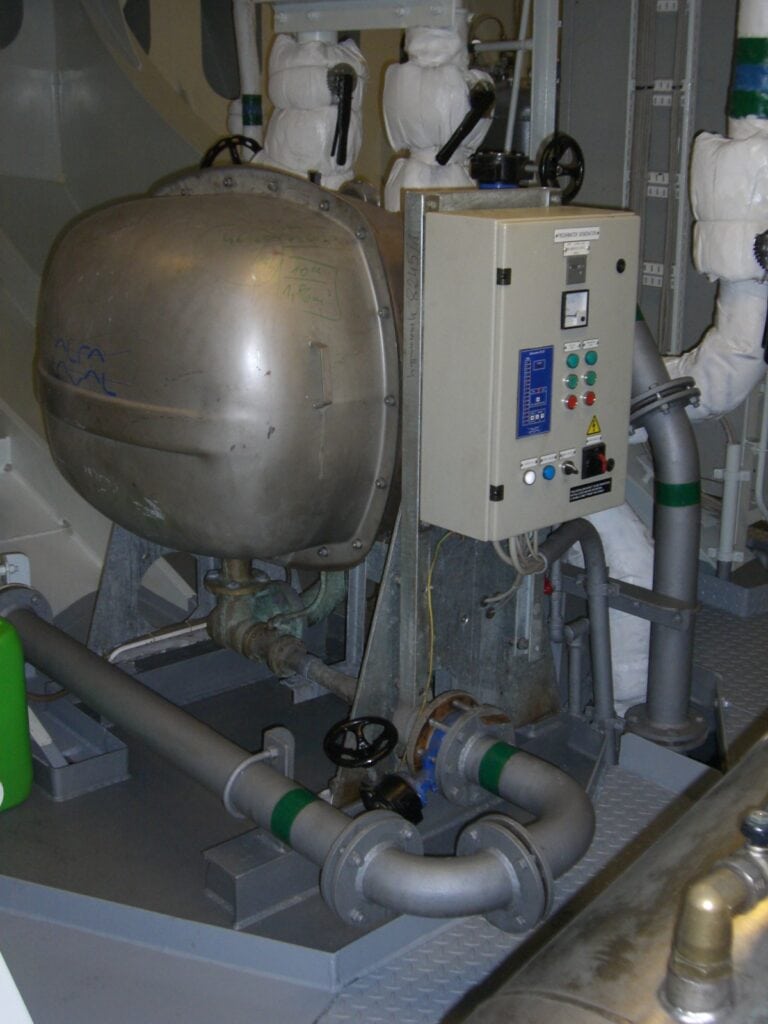
Japan FWG: Chemical Dosing Stopped, Output Held
A fresh water generator on the vessel Churashima stopped chemical dosing while holding 15 t/day output with a HydroFLOW HM unit.
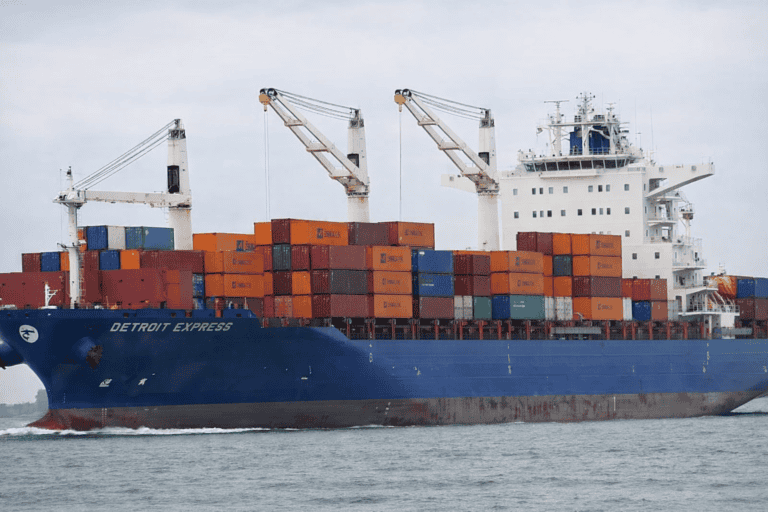
MV Detroit Express: 86% Less CIP Cleaning, No Chemicals
MV Detroit Express cut fresh water generator CIP cleaning 86% and dropped chemicals with a HydroFLOW HM-100 unit.
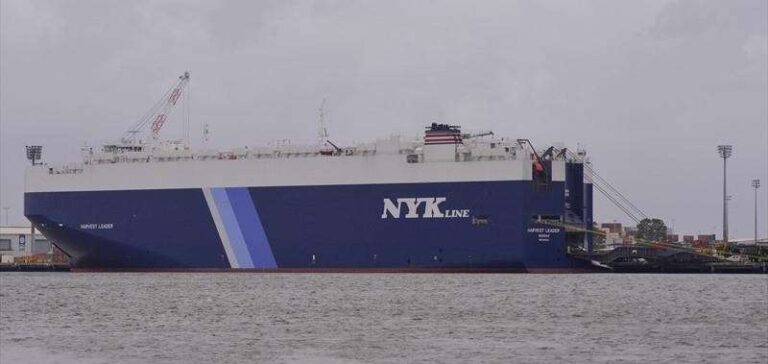
M/V Harvest Leader: UV Steriliser Replaced, 0 CFU
Two HydroFLOW HM45 units replaced the UV steriliser on M/V Harvest Leader, keeping drinking water bacteria-free.
Watch how Hydropath protects marine water systems
A quick look at how the HM unit installs on a vessel, and how its signal tackles limescale and biofouling and helps reduce microbially induced corrosion (MIC) — no chemicals, no cutting into pipework.

Water Systems On Board
Where Hydropath Goes to Work.
From the smallest crew galley to fleet-wide engine rooms — every water-touching system on board benefits.
Freshwater Generators (FWG)
Protects evaporator surfaces from scaling, maintaining freshwater output and efficiency between maintenance windows.
Freshwater Systems (FWS)
Keeps potable and hot water lines free from limescale and biofilm — preserving water quality and pressure throughout the vessel.
Main Cooling Systems (MCS)
Protects central cooling loops and heat exchanger plates from scale and biofilm fouling that degrades thermal efficiency.
Heat Exchangers
Plate and shell-and-tube exchangers stay clean for longer — heat transfer coefficients preserved and energy consumption kept predictable.
Boilers & Steam Plants
Protects boiler tubes from scale build-up, reducing fuel consumption and extending intervals between offline cleaning cycles.
RO Pretreatment
Extends reverse osmosis membrane life by reducing scale precursors and the biofouling load reaching the membrane elements.
Support & FAQ
Frequently Asked Questions
Will Hydropath completely eliminate limescale in a freshwater generator (FWG)?
No water treatment system can guarantee the complete elimination of scale in a Fresh Water Generator, and such claims should be treated with caution.
Hydropath does not prevent minerals and salts from crystallising. Instead, the signal influences the way they crystallise and accumulate on heat-transfer surfaces. In FWGs, where the heat exchanger is typically made of smooth titanium plates, the resulting deposits have significantly lower adhesion and are much easier to remove during routine maintenance.
As a result, cleaning can often be carried out without the need for acid washing or prolonged plate soaking. In addition, Hydropath can help maintain cleaner heat-transfer surfaces and support wider operating clearances within the FWG, reducing maintenance effort and improving long-term operation.
Will the freshwater generator still require acid cleaning or CIP?
In most applications, considerably less frequently, and in many cases not at all. Because deposits form in a weakly bonded state, routine cleaning-in-place becomes rapid and aggressive acid descaling is reduced or eliminated. Fleet operators have reported freshwater-generator service time falling from 24–48 hours to 4–8 hours following installation.
Does Hydropath protect titanium FWG plates and heat exchangers?
Yes. Titanium plates used in modern freshwater generators (FWGs) and plate heat exchangers are expensive components that can be damaged by frequent dismantling, mechanical cleaning, and aggressive acid descaling. Repeated opening of the equipment can also accelerate wear of the gaskets, which are critical for maintaining correct plate spacing and heat transfer efficiency.
By reducing scale formation and minimizing the need for acid cleaning and repeated maintenance interventions, Hydropath helps protect both titanium plates and gaskets, reducing the risk of maintenance-related damage and extending the service life of the equipment.
How does Hydropath reduce energy consumption and fuel use?
Both scale and biofilm insulate heat-transfer surfaces, and the effect on efficiency is significant. For comparison, approximately one millimetre of calcium carbonate scale can reduce heat transfer by around 7%. Biofilm is more insulating still: a layer of the same thickness can reduce efficiency by 40–50%, which makes biofouling a greater concern than mineral scale in many systems. By maintaining clean evaporators and heat exchangers, Hydropath preserves heat-transfer performance, enabling equipment to operate at its design efficiency, with correspondingly lower fuel consumption and CO₂ emissions.
Can Hydropath treat seawater cooling systems and onboard biofouling?
Yes. The biofouling that affects land-based seawater systems also occurs within a vessel’s internal seawater cooling circuits, where biofilm and scale on heat exchangers and pipework restrict flow and degrade heat transfer. The signal disrupts biofilm formation before it can establish and maintains cleaner surfaces. In the case of heavy macrofouling, such as barnacles and mussels within sea chests, the technology complements rather than replaces dedicated marine-growth-prevention measures. Learn more about seawater cooling treatment →
Will installation damage pipework or require vessel downtime?
No. The unit is clamped around the existing pipework, requiring no cutting, welding or system shutdown, and is compatible with all pipe materials. A typical installation is completed in approximately one hour, with the vessel remaining in service throughout.
Is Hydropath Marine approved by DNV?
Yes. Hydropath Marine holds DNV type approval for use on seagoing vessels, granted following independent verification of the product’s performance, safety and quality. View the DNV certificate →
How does marine water treatment differ from land-based treatment?
The underlying mechanisms are identical: limescale, biofilm and biofouling accumulating on heat-transfer surfaces. Marine applications impose additional demands, including a seawater feed, freshwater-generator evaporators, and operation remote from chemical resupply. Hydropath’s established land-based record across cooling-tower and seawater applications underpins its performance at sea.
TESTED AND CERTIFIED
Independently Verified.
 DNV Approval
View certificate
DNV Approval
View certificate
 ISO 9001
Quality management
ISO 9001
Quality management
 ISO 14001
Environmental management
ISO 14001
Environmental management
 ALS Tested
Laboratory verified
ALS Tested
Laboratory verified
Ready to Cut Your Fleet's Running Costs?
Tell us about your vessel, its FWG capacity and current chemical spend, and our marine team will estimate your potential annual saving.
Ready to explore sustainable water treatment?
Get in touch to find out how HydroFLOW® can work for you.

© 2026 Hydropath Technology Ltd. All rights reserved