Case Study from HydroFLOW South Africa
Seawater pipeline mussels and biofilm on a heat exchanger feed
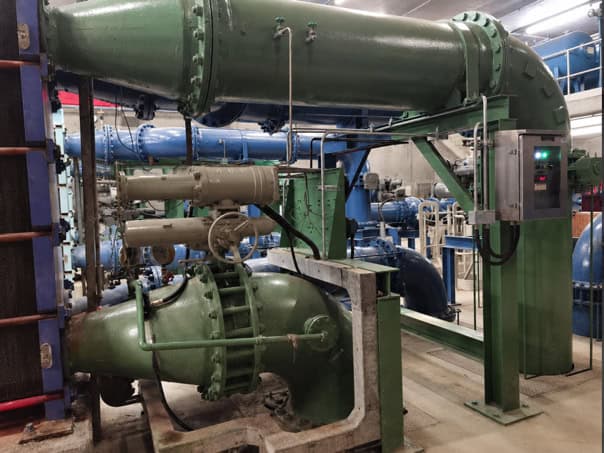
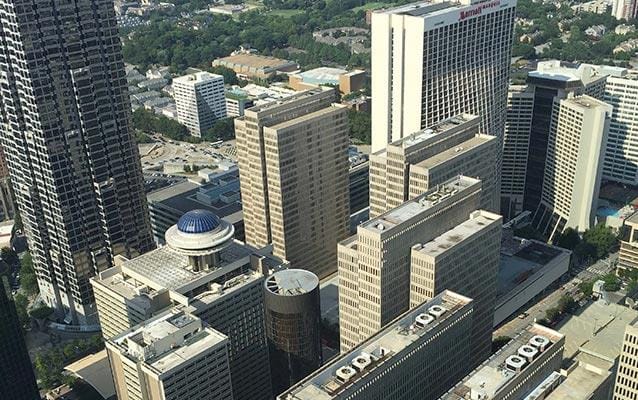
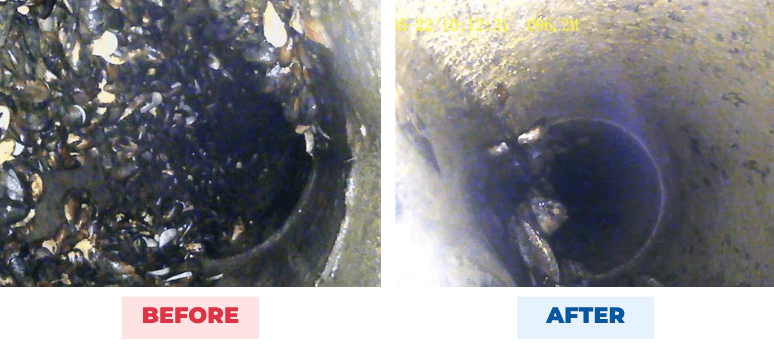
Seawater pipeline mussels, barnacles and biofilm had established inside the lines at a commercial waterfront site in Cape Town that draws seawater to cool Heat Exchanger 4. The effective pipe diameter had shrunk, strainers were blocking, and periodic jetting was needed to keep the lines open, with downtime and maintenance costs climbing every month. In November 2023 a HydroFLOW® i Custom unit was fitted to the 200 mm seawater line between the seawater pump and the heat exchanger, with no shutdown required. The fouling stopped establishing, the line cleared, flow to the heat exchanger was restored and jetting was no longer required.
The Challenges
- Seawater pipeline mussels, barnacles and biofilm had established inside the pipelines
- Reduced effective pipe diameter was causing strainer blockages
- Periodic jetting was needed to clear obstructed lines
- Downtime and maintenance costs were climbing every month
- Heat Exchanger 4 was losing cooling flow
The Solution
- Unit installed: One HydroFLOW® i Custom
- Installation point: seawater line between the seawater pump and Heat Exchanger 4
- Pipe size: 200 mm
- Installed: November 2023, with no shutdown
The unit was fitted while the line stayed in service, on the section between the seawater pump and the heat exchanger. The signal disrupts the conditions that allow marine life to attach and grow inside the pipework, so seawater pipeline mussels and biofilm stopped establishing. As the line cleared, flow to Heat Exchanger 4 recovered and the jetting routine was dropped.