
Steam Boiler Water Treatment
Keep Boiler Tubes Clean Stop Scale at the Feedwater Cut Fuel & Blowdown Costs
HydroFLOW® conditions boiler feedwater electronically: no chemicals, no salt, no cut into the pipe, fitted while the boiler keeps steaming. Hardness leaves with the blowdown instead of bonding to the tubes, so fuel, blowdown and acid cleans come down.
Results from documented case studies; they vary with water hardness, boiler design and operating practice. View all steam system case studies →
Scale Costs a Steam Boiler Twice: Fuel Every Hour, Downtime Every Clean
A steam boiler concentrates whatever its feedwater carries, because the water leaves as steam and the hardness stays behind. The first cost is fuel: scale insulates the tubes, stack temperature climbs and more burner time buys the same steam. The second is downtime: at a chemical plant in Wapato, Washington, one acid clean meant about a week offline and more than $15,000, with replacing either boiler priced near $350,000. It is also a safety issue: HSE guidance warns that poor water treatment leads to scaling and can cause premature or catastrophic failure, and at a Taiwanese food plant scale was making safety valves fail in service.
Typical signs a steam boiler is scaling up:
- Stack temperature creeping up for the same steam output
- More fuel per tonne of steam, or longer to reach working pressure
- Blowdown every hour or two just to hold TDS within limits
- Acid cleans and tube inspections coming round on a shorter cycle
- Softener salt and antiscalant spend rising while scale still forms
- Burnt-out elements in electric boilers and combi ovens, or sticking safety valves
What Does Scale Cost a Steam System?
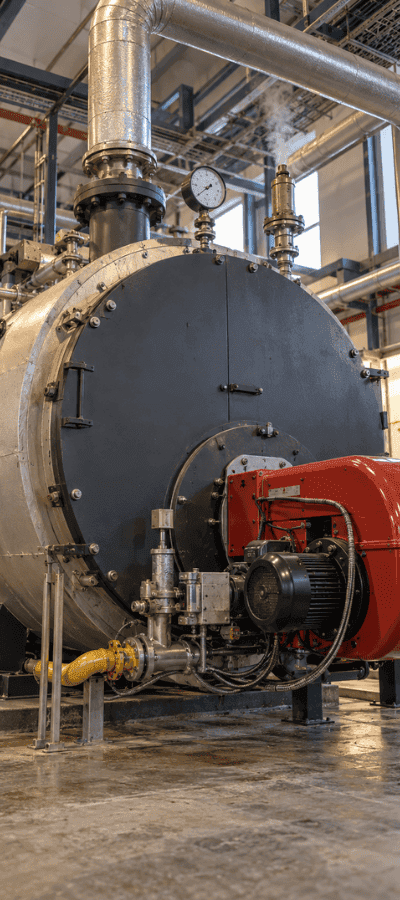
Steam carries heat to factories, food plants, laundries, hospitals and commercial kitchens, and every kilogram of it starts as feedwater. Hardness that is neither removed nor held in suspension ends up on the tubes, and the cost arrives in separate budget lines: fuel, water, salt, chemicals and contractor days. The duty side is fixed too. In the UK a steam boiler sits under the Pressure Systems Safety Regulations 2000 and its written scheme of examination, and HSE guidance calls routine feedwater testing essential.
Two-thirds of industrial energy is heat
The IEA puts industrial heat at two-thirds of industrial energy demand and almost a fifth of global energy use. On a site that runs on steam, the boiler is where that energy is spent first, so anything that slows heat transfer there is charged on the largest bill the plant has.
Up to 5% more fuel from scale
The US Department of Energy puts the fuel penalty of scale in fire-tube boilers at up to 5%, and recommends trending stack temperature to spot it: as deposits thicken, more heat leaves up the flue. Tube metal also runs hotter under scale, which is how overheating and tube failures start.
4% to 8% of feedwater blown down
Blowdown typically runs at 4% to 8% of feedwater flow, and up to 10% where make-up water is high in solids. That water leaves at boiler temperature, so every blowdown beyond what the boiler needs sends heat, water and treatment chemicals to drain together.
Sources: IEA, Clean and efficient heat for industry (2018) · US DOE Steam Tip Sheet #7, Clean Boiler Waterside Heat Transfer Surfaces · US DOE Steam Tip Sheet #9, Minimize Boiler Blowdown · HSE INDG436, Safe management of industrial steam and hot water boilers. Figures are agency estimates; individual boilers vary.
The True Cost of Scale in Steam Systems
Scale in a steam system is paid for in several budget lines at once: fuel, blowdown water, salt and chemicals, acid cleans and plant life. The sites below show where it accumulates, and what changed when it stopped.
Fuel Bills Climbing on Fired Boilers
Scale on the fire tubes sends heat up the stack instead of into the water, so the burner fires longer for the same steam.
Hourly Blowdown, Salt and Antiscalant
A softener, an antiscalant drum and blowdown every hour can all run together and still leave the tubes scaling.
Electric Steam Boilers Burning Out Elements
Heating elements sit directly in the water, so hard scale builds on them first and shortens their working life.
Kitchen Steamers and Combi Ovens Down for Descaling
An oven's steam generator is a small boiler, and in a hard-water kitchen it needs descaling mid-service.
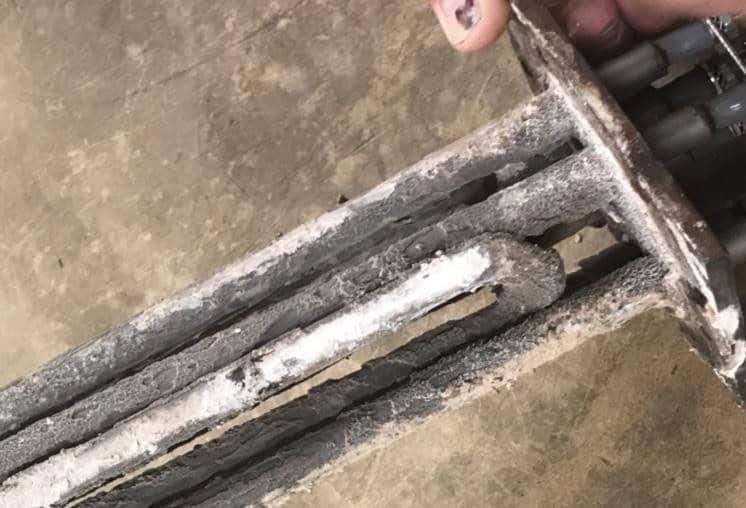
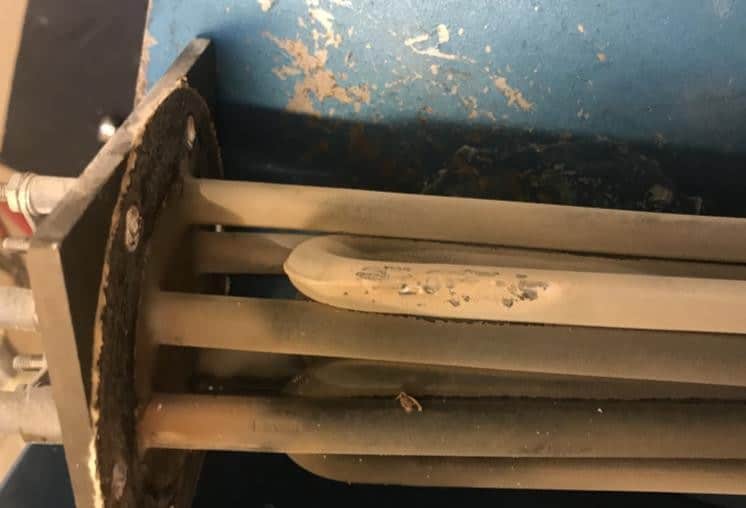
Florida medical centre: the heating elements of an electric steam boiler carried about 3 mm of hard scale. Sixty days after one HydroFLOW® i60 was fitted to the cold-water feed, the existing hard scale had gone and only loose powder remained. Read the case study →
Where the Savings Add Up
A scaling boiler costs money every hour it fires. Hydropath addresses six of the most significant recurring costs in a boiler house.
Lower Fuel Costs
Clean tubes put the burner's heat into the water instead of up the flue. Wapato's two diesel steam boilers went from about 400 to 275 gallons a day, worth a reported $150,000 a year, and a Minnesota truck-wash boiler's stack temperature fell from 296°F to 272°F.
Less Blowdown, Less Heat to Drain
Every blowdown dumps hot, treated water. Babylon Trims moved from blowdown every hour to every four hours, and at BHFZ, blowdown that had run two to three times a day fell to a minimum once the old scale had cleared.
Less Salt and Antiscalant to Buy
Babylon Trims stopped 400 kg of softener salt and 16.5 kg of antiscalant a month, saving 15,200 taka a month. A Taiwanese food plant, where food rules banned chemical descaling, fitted HydroFLOW® to its boiler feed line in 2011: the old scale came away gradually through blowdown, and steam was raised 20% faster with no chemicals.
No Acid Cleans, Less Downtime
Acid descaling takes a boiler offline and thins the metal it cleans. The Minnesota boiler avoided the acid clean it was considering as its scale turned brittle and purged, and Babylon Trims no longer needs its three-day descale.
Longer Boiler and Element Life
Plant lasts when its heat-transfer surfaces stay clean. The Wapato plant postponed replacing two boilers valued at about $350,000 each, and at a Florida medical centre, elements that had averaged four years' service came back clear of hard scale.
Fast Return on Investment
One fitting, no consumables and no servicing schedule. Wapato reports payback in two to three months, Minnesota put cash-flow payback at 5.8 months, and the Florida medical centre reports 16 months on a single electric boiler.
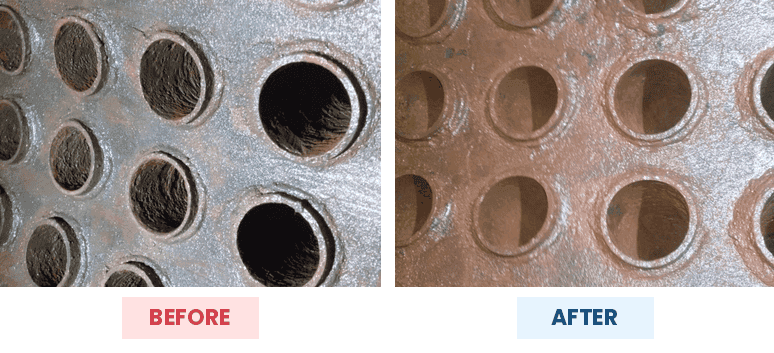
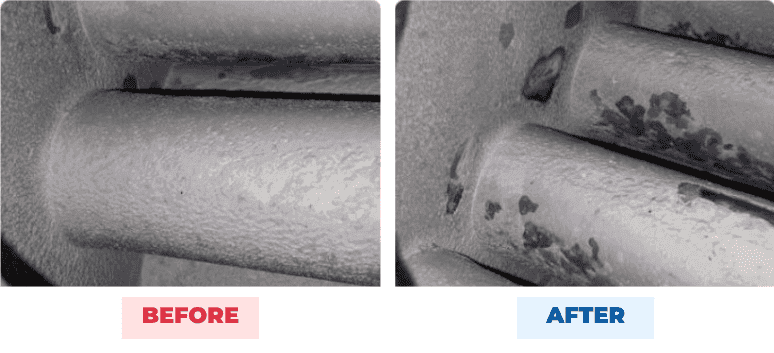
BHFZ pharmaceutical plant, Ukraine: 1.5 to 2 mm of dense scale coated the boiler's screen tubes and blowdown ran two to three times a day. With one HydroFLOW® i60 fitted after the feed pumps, most of the scale broke away during a 90-day trial, and the drum was free of scale at its 11-month inspection.
BHFZ steam boiler tube sheet before and afterDon’t take our word for it: test it on your own boiler.
Every figure on this page comes from a boiler house's own records. Fit one unit to one boiler and measure it against your own logs: stack temperature, fuel per tonne of steam, blowdown frequency and salt or antiscalant use, with a documented testing protocol.
Get a Free Boiler Water Assessment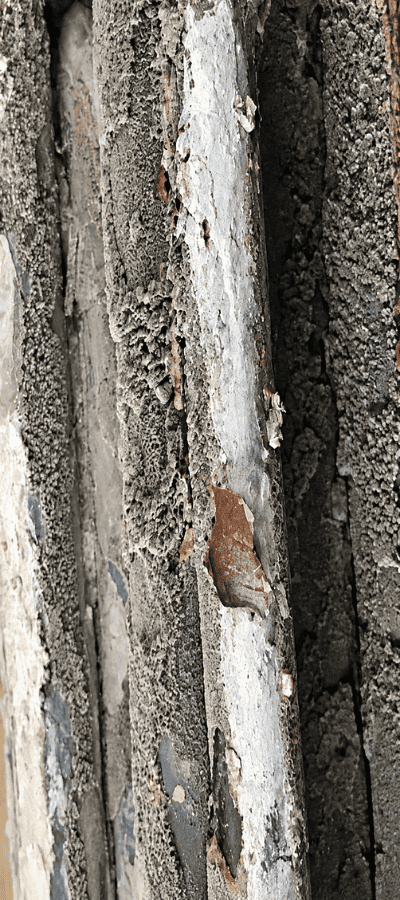
Boiler Water Treatment Physical, Not Chemical!
A physical scale inhibitor for fired and electric steam boilers, deaerators and kitchen steam generators, powered by a patented electronic signal
HydroFLOW® induces a patented ~150 kHz signal into the feedwater through the pipe wall. The signal changes how dissolved minerals behave: calcium and magnesium ions form loose clusters, and when the water is heated and concentrated inside the boiler they crystallise in suspension as fine particles instead of bonding to the tubes as hard scale. Those particles leave with the blowdown, and the water's renewed capacity to dissolve minerals loosens the scale already there.
On a steam boiler the fitting point matters. The unit goes on the feedwater line after the high-pressure feed pump, because turbulence in the pump breaks up the clusters, and the steam-boiler range is built to work where the pump and boiler share a steel base. Where make-up water is heated in a deaerator or feed tank, a second unit goes before it. Each unit is fitted to the outside of the pipe, works on steel, copper and plastic, and runs continuously, so treated water is waiting in the feed line when a boiler restarts after a shutdown.
Because the treatment changes how minerals behave rather than what the water contains, it makes no chemical change: boiler water tests read as before, and nothing new enters a food-grade or pharmaceutical water file. One reading will move: TDS and iron in the blowdown water rise for a few weeks as old scale releases, which is not more scaling or corrosion, so tell your water treatment contractor before fitting. Oxygen removal and pH control stay, and HydroFLOW® is not used on demineralised high-pressure steam loops.
Learn More About Our TechnologyOne Technology — Cleaner Tubes, Fewer Shutdowns
Across fired boilers, electric steam generators and kitchen ovens, one fitting on the feedwater changes what your steam costs.
Existing Scale Loses Its Grip
Once new scale stops forming, the treated water draws minerals back out of the deposits already on the tubes, and they turn soft and brittle. On a Minnesota steam boiler, heavy tube scale broke away and purged through blowdown over six months, with the existing softener and chemicals still running.
Gradual and Safe by Design
No acid in the boiler house, no metal thinned by a descale and no week offline. Expect released flakes and sludge in headers, low points and blowdown lines in the first weeks, so increase blowdown and plan an inspection. TDS and iron readings in the blowdown water rise for a while too. That is the boiler clearing, and it settles.
Measured at Inspection
At BHFZ, a Ukrainian pharmaceutical plant, 1.5 to 2 mm of dense scale coated the screen tubes. After a 90-day trial the tubes were almost free of scale and what remained washed off easily; when the boiler was opened again at 11 months, no scale was found in the drum.
A Different Approach to Boiler Scale
How HydroFLOW® compares with the usual ways of keeping scale out of a steam boiler, including what it does not do.
| HydroFLOW®Physical conditioner, no chemicals | Ion-exchange softener | Antiscalant dosing | Acid descaling | |
|---|---|---|---|---|
| How it works | Electronic signal makes hardness crystallise in suspension inside the boiler, so it leaves with the blowdown instead of bonding to the tubes | Swaps calcium and magnesium in the make-up water for sodium | Dosed chemistry holds minerals in solution or keeps crystals dispersed | Acid strips scale after it has formed, with the boiler offline |
| Effect on boiler water and tests | None No chemical change; TDS and iron in blowdown rise for a few weeks while old scale releases | Altered Sodium replaces hardness; brine and regeneration water to drain | Managed Adds product and dissolved solids; dose and residual testing to keep | None in service Boiler neutralised and rinsed before return |
| Removes existing scale | Yes Gradually, through blowdown, with the boiler running | No Prevention only, and only of the hardness it removes | Partial Depends on product and programme | Yes But with downtime and metal loss at every clean |
| Blowdown | Reduced at sites Still essential; sites cut it from hourly to every four hours, or to a minimum | Reduced Less hardness in, but TDS still has to be blown down | Unchanged Dosed solids add to what must be blown down | None No effect on operating blowdown |
| Consumables | None No salt, no acid, no dosing | Salt deliveries (one site used 400 kg a month), storage and regeneration water | Continuous chemical purchase, storage and COSHH handling | Acid, neutraliser and labour at every clean |
| Food, pharma and regulated plants | Nothing added Fitted outside the boiler; nothing enters the water file | Sodium added Acceptable in most plants; adds a salt supply to manage | Approved products Food-grade chemistry and dosing records | Restricted Some food plants prohibit chemical descaling |
| Oxygen and corrosion control | No Not an oxygen scavenger or pH treatment: that programme stays | No Softened water still needs oxygen and pH control | Yes The oxygen-scavenger and pH side is what a chemical programme is for | No Removes metal along with scale |
| Downtime to fit or treat | None Fitted to the outside of the existing feed pipe; boiler keeps steaming | Cut-in installation, drain and power | Injection point, dosing pump, tank and monitoring | Boiler offline for every clean, about a week at one site |
Swipe sideways to compare all four methods →
Comparison reflects typical products in each category; individual boilers vary. HydroFLOW® is not a filter, not a substitute for demineralisation or reverse osmosis where a boiler needs them, and not used on demineralised high-pressure steam loops. Oxygen removal, pH and alkalinity control, blowdown, feedwater testing and the boiler's written scheme of examination all stay in place.
Applications
Steam boiler & steam system applications
Steam is raised for very different jobs, from process heat to a kitchen oven. Each application links to its sector page.
Process Steam in Manufacturing
Protects low-pressure fire-tube and water-tube boilers raising process steam in chemical, pharmaceutical, packaging and vehicle-wash plants.
Food & Beverage Steam Raising
Keeps steam boilers for cooking, blanching, sterilising and CIP heat free of scale, including food-grade boilers where chemical descaling is not allowed.
Hospitals & Healthcare
Protects electric steam boilers and their heating elements, alongside the hot-water and cooling plant a hospital already runs.
Hotel Kitchens & Laundries
One unit on the kitchen feed protects combi ovens and steamers; boilers for laundry and pressing are treated at the feedwater line.
Electric Steam Generators
Keeps immersed heating elements clear of hard scale, so they heat faster and last longer between replacements.
Steam-Heated Exchangers & Calorifiers
Protects the water side of steam-to-water heat exchangers and calorifiers, where scale forms fastest on the hottest surfaces.
Related: power station condensers (not the demineralised steam loop), cooling towers, limescale in combi ovens and commercial kitchens, and the industrial product range.
Process Overview
Simple Installation. No Boiler Shutdown.
Our patented technology is fitted to your existing feed pipe while the boiler keeps steaming.
The Fit
The HydroFLOW® unit is fitted to the outside of the feed pipe, after the high-pressure feed pump, with no cutting and no shutdown. The boiler keeps steaming throughout; electric boilers and kitchen ovens are treated on their cold feed.
The Signal
A patented electronic signal treats the feedwater continuously, and the steam-boiler range works where pump and boiler share a steel base. Where make-up is heated in a deaerator or feed tank, a second unit protects it too.
The Results
Old scale starts leaving through blowdown within days, as it did at Wapato. Tubes and elements clear over weeks, in 1.5 months at Babylon Trims and 60 days in Florida, and the record builds over a year: BHFZ's drum was scale-free at 11 months.
Proven On Site
Real Boilers. Real Results.
Drawn from Hydropath installations and our customers' own boiler-house records across chemical, pharmaceutical, food and hospitality sites.
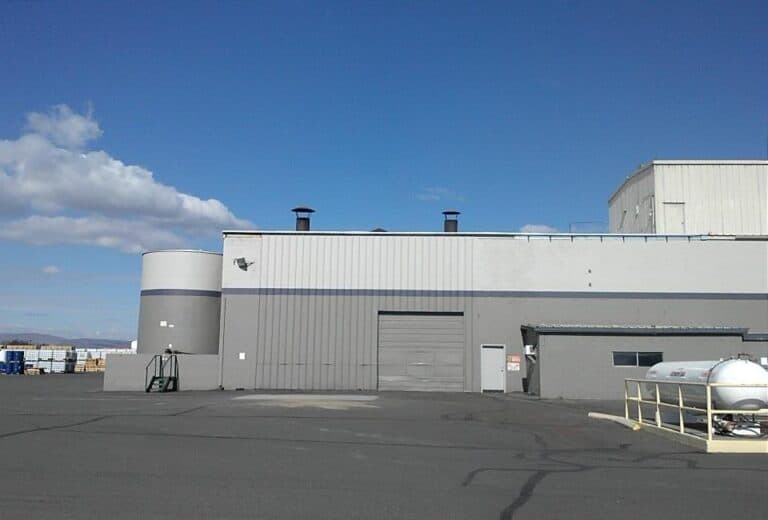
Wapato Chemical Plant: Boiler Diesel Down 400 to 275 gal a Day
Three HydroFLOW® i60 units purged scale from two diesel steam boilers in Wapato, cutting fuel from 400 to 275 gallons a day within 2.5 months.

BHFZ Ukraine: Steam Boiler Drum Scale-Free at 11 Months
A HydroFLOW® i60 cleared 1.5 to 2 mm of hard scale from a pharmaceutical plant steam boiler in Ukraine, with no scale found in the drum at 11 months.
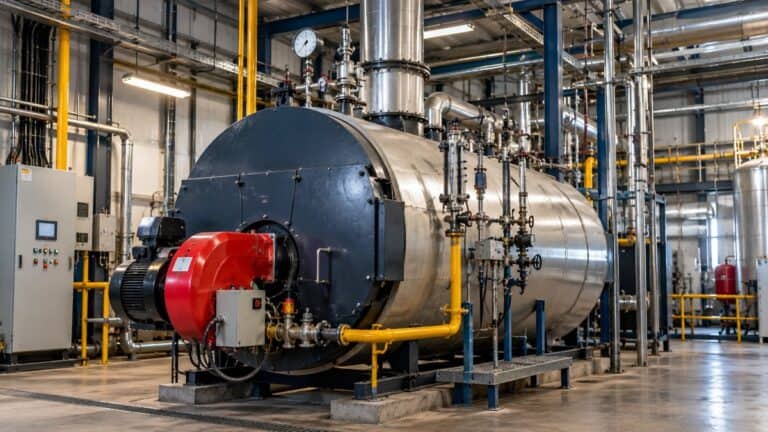
Babylon Trims Bangladesh: Boiler Salt and Antiscalant Stopped
One HydroFLOW® unit let a Bangladesh packaging plant stop softener salt and antiscalant on its steam boiler, cut blowdown 75% and keep the tubes clear.
Support & FAQ
Frequently Asked Questions
What is steam boiler water treatment?
Steam boiler water treatment is the control of feedwater, boiler water and condensate to limit scale, corrosion and carryover. As water boils off, hardness minerals stay behind and coat the tubes with insulating scale, which raises fuel use and stack temperature, so most plants combine softening, deaeration, chemical dosing and regular blowdown. HydroFLOW® adds a physical layer to that programme: it makes hardness crystallise in suspension so it leaves with the blowdown instead of bonding to the tubes. It does not replace oxygen removal, pH control or the boiler's testing regime.
How does scale affect a steam boiler?
Scale conducts heat about ten times worse than steel, so it insulates the tubes. More heat leaves up the flue, the burner fires longer for the same steam, and the tube metal under the scale runs hotter, which is how overheating and tube failures start. The US Department of Energy puts the fuel penalty in fire-tube boilers at up to 5%. Scale also jams moving parts: at a Taiwanese food plant, safety valves were failing in service until the scale cleared.
How do you remove scale from a steam boiler?
There are two routes. Acid descaling works quickly but takes the boiler offline: at a Wapato chemical plant, one clean meant about a week's shutdown and more than $15,000. HydroFLOW® removes scale gradually with the boiler running: once new scale stops forming, existing deposits soften and break away through blowdown, as they did on a Minnesota steam boiler and at BHFZ, where 1.5 to 2 mm of scale broke away during a 90-day trial. If a boiler is close to failing on scale, descale it first and use HydroFLOW® to stop the scale coming back.
What chemicals do steam boilers need, and which can HydroFLOW reduce?
A typical programme covers three jobs: scale control (softener salt, antiscalants and dispersants), oxygen and corrosion control (oxygen scavengers, pH and alkalinity adjustment) and condensate treatment. HydroFLOW® works on the first job only. Some sites have reduced or stopped their scale-side treatment as a site result: Babylon Trims stopped 400 kg of softener salt and 16.5 kg of antiscalant a month. The oxygen and pH side stays, and HydroFLOW® is no substitute for demineralisation where a boiler is designed for it.
How often should a steam boiler be blown down?
As often as it needs to keep dissolved and suspended solids within limits, which depends on pressure, make-up water quality and treatment; the US Department of Energy gives a typical range of 4% to 8% of feedwater flow. Blowdown stays essential with HydroFLOW®, because the minerals it holds in suspension still have to leave the boiler. Increase it for the first weeks while old scale clears. Once the tubes are clean, sites have been able to reduce it: Babylon Trims went from hourly blowdown to every four hours, and BHFZ reduced it to a minimum.
Where should a water conditioner be fitted on a steam boiler?
On the feedwater line after the high-pressure feed pump, because turbulence in the pump breaks up the mineral clusters the signal creates. Where the pump and boiler share a steel base, the steam-boiler range is designed to work in that electrical loop. If make-up water is heated in a deaerator or feed tank, fit a second unit before it: the Wapato plant used one unit on the deaerator make-up line and one on each boiler feed. Electric steam boilers and combi ovens are treated on their cold-water feed, and a unit on a hot feed pipe should be insulated from it.
What does stack temperature tell you about scale?
Stack (flue-gas) temperature is the simplest scale gauge a boiler has. At a steady firing rate, a rising stack temperature means less heat is reaching the water; the US Department of Energy recommends trending it to spot scale build-up, with a rule of thumb of about 1% boiler efficiency for every 40°F (22°C) fall. It is how our sites measured: Wapato's boilers fell from about 650°F to 400°F within 2.5 months, and Minnesota's from 296°F to 272°F.
How do you stop limescale in combi ovens and steam ovens?
A combi or steam oven's steam generator is a small boiler, and in a hard-water kitchen it scales the same way; trade guidance says combi ovens fail most often because that boiler is not well maintained. A HydroFLOW® unit on the kitchen's incoming feed protects the ovens, steamers and other equipment downstream from one point. At Hong Kong Disneyland, kitchen steamer cleaning fell from a full day to 30 minutes. It is not a filter or a cleaner: the manufacturer's care routine and food-hygiene cleaning stay. Our guide to limescale in commercial kitchens covers the rest of the kitchen.
Does a steam boiler still need a softener with HydroFLOW?
Sometimes, and it is a site decision made with your water treatment contractor. Babylon Trims stopped its softener and antiscalant and kept its tubes clear of hard scale. Wapato and Minnesota kept their softeners running and still measured lower stack temperatures, so the gain came on top of softening. Where a boiler's specification calls for softened or demineralised feedwater, that specification stands.
Do electronic water conditioners work on steam boilers?
Scepticism is fair. Many low-cost devices make claims they cannot show, and no physical conditioner changes water chemistry, so a water test will not settle the question either way. There are limits too: HydroFLOW® cannot stop scale where nucleate boiling occurs on a hot spot, it is not used on demineralised high-pressure loops, and it does not replace oxygen or pH control. What it can be judged on is what a boiler house already measures: stack temperature, fuel, blowdown and internal inspection. On those, Wapato cut diesel from 400 to 275 gallons a day, and BHFZ found no scale in its drum at 11 months.
Why might TDS or iron readings rise after fitting?
Because the old scale is leaving. As deposits loosen, the minerals and the iron trapped in them pass into the boiler water and out through the blowdown, so TDS and iron readings rise for a few weeks. It is not more scaling and not more corrosion, and readings return to normal once the initial scale has cleared. Tell your chemical contractor before fitting, so the rise is not read as a treatment failure and dosing is not increased. Expect loose flakes and sludge in headers and low points in the same period, and increase blowdown while it lasts.
Can it be fitted without shutting the boiler down?
Yes. The unit is fitted to the outside of the existing feed pipe, with no cutting and no drain-down, so the boiler can keep steaming. That makes a trial straightforward: one unit on one boiler, measured against your own logs of stack temperature, fuel, blowdown and salt or chemical use. The Florida medical centre fitted its unit on the copper cold-water feed to an electric steam boiler, and Babylon Trims on the boiler inlet after its high-pressure pump.
Ready to Cut Fuel, Blowdown and Acid Cleans?
Tell us about your boiler: its type and size, the water it runs on and what fails first. Our team will recommend the right units and where to fit them, and set out what to expect, including where our assessment is that we cannot help.
Ready to explore sustainable water treatment?
Get in touch to find out how HydroFLOW® can work for you.

© 2026 Hydropath Technology Ltd. All rights reserved