
Commercial Building Water Treatment
Keep Every Building Running Control Scale & Biofilm Cut Energy, Chemicals & Downtime
HydroFLOW® conditions a building’s water electronically — no chemicals, no salt, no cut into the pipe, fitted while the building operates. Boilers, calorifiers and heat exchangers stay clean, cooling towers run with less blowdown, and temperature and chlorine reach the bacteria they are aimed at.
Results from documented case studies; vary by water hardness, system design and baseline operation. View all commercial building case studies →
Hard Water Costs a Building Twice — Plant Room and Occupied Floors
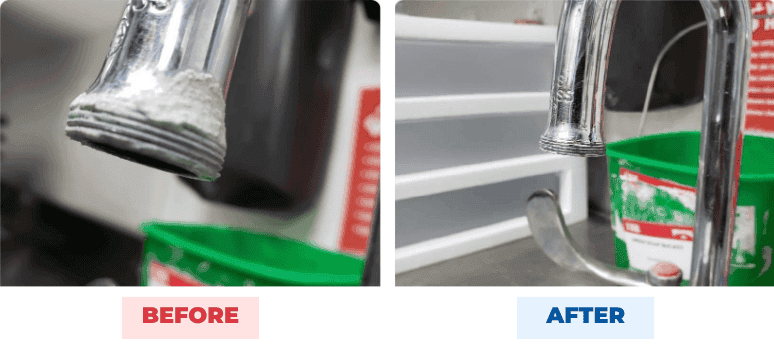
Across much of the world, mains water is hard — and the minerals it carries precipitate wherever water is heated or evaporated. The plant pays first: scale insulates boiler, calorifier and heat exchnager surfaces so energy use rises, and narrows condenser tubes so the chillers work harder — at a global bank's Hong Kong building, tubes needed acid cleaning every year just to hold performance, and at Northview REIT's 180-unit building in Ontario, a relatively new boiler scaled visibly within three months despite chemical dosing. The occupants pay second: blocked fixtures, crusted taps, falling pressure — and rough scale harbours the biofilm that shelters Legionella from the controls aimed at it.
Typical signs a building's water systems are scaling up:
- Gas or electricity use creeping upward for the same heating and cooling output
- Boiler and calorifier cleaning intervals shortening, with descaling contractors on a regular cycle
- Chiller approach temperatures rising; condenser tubes needing acid cleans to recover
- Heavy cooling-tower blowdown, with water and chemical bills to match
- Tenant complaints about low pressure, lukewarm water or crusted fixtures
- Legionella results that improve after each disinfection, then drift back
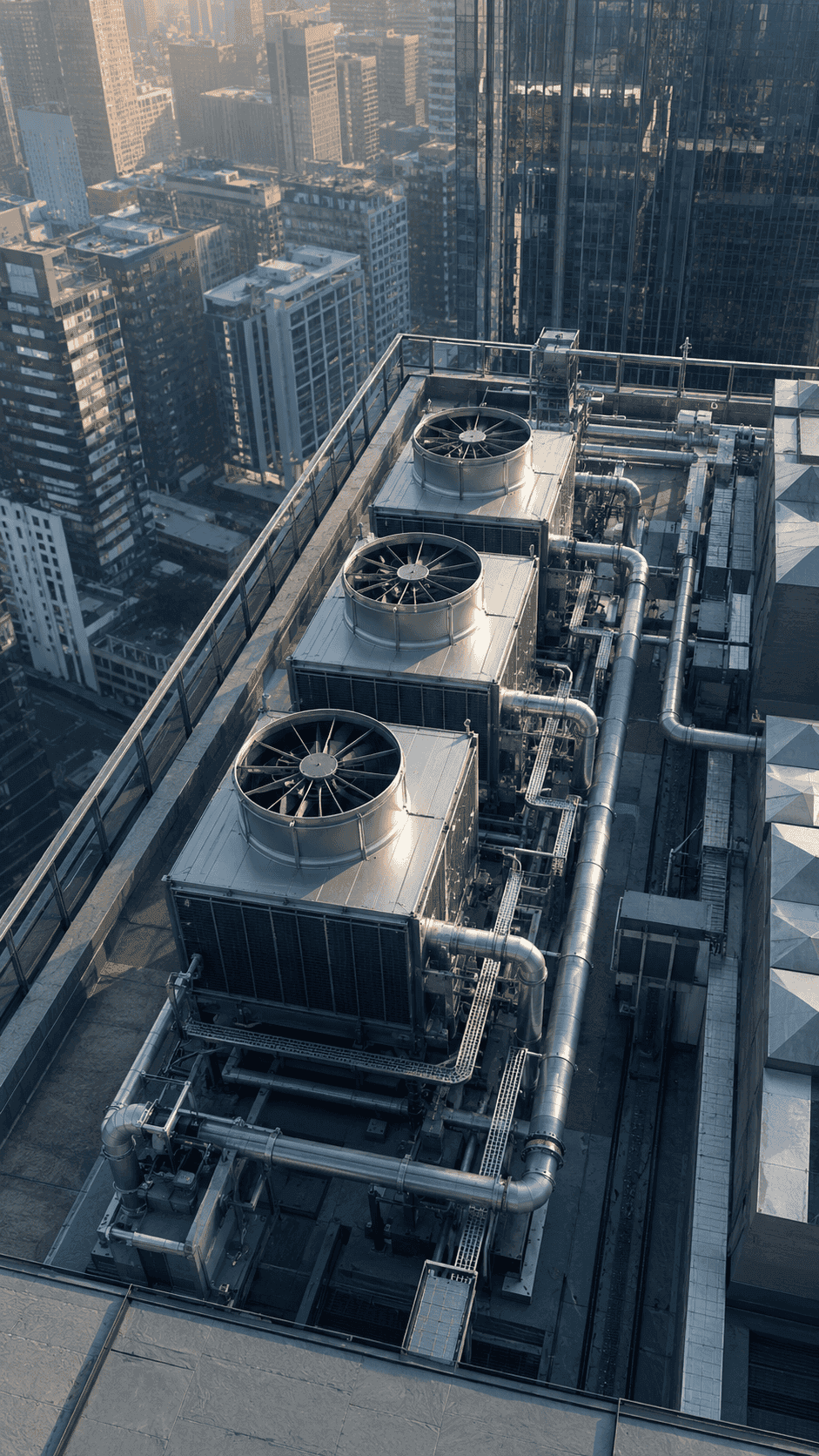
What Does Untreated Water Cost a Commercial Building?
Water carries a building's heating, its cooling and its washrooms — and in a hard-water area, every one of those systems is quietly accumulating the mineral load the supply delivers. The costs surface in different budget lines — fuel, chemicals, water, maintenance contracts, tenant goodwill — which is why they are rarely added up as one number. The duty side is fixed too: in the UK, ACOP L8 and HSG274 make Legionella control in a building's water systems a legal responsibility of whoever controls the premises — employer, landlord or facilities manager.
~⅓ of building energy is space heating
US survey data puts space heating at about 32% of all commercial-building energy use — the largest single end use, ahead of ventilation and lighting at about 10% each. Scale forms fastest exactly where that energy is spent: on the heat-transfer surfaces of boilers, calorifiers and exchangers.
Heating & cooling: a top-three water use
The US EPA lists heating and cooling among the three largest uses of water in office buildings, alongside restrooms and landscaping. Cooling towers evaporate water by design — and the harder the make-up water, the more of it goes down the drain as blowdown to keep dissolved minerals in check.
Legionnaires’ cases at record rates
Europe's Legionnaires' disease notification rate rose to 3.4 per 100,000 in 2024 — a record — and US reported cases have been rising since the early 2000s. Outbreaks trace back to building water systems: hot and cold services, and cooling towers above all. For the duty holder, water safety is a legal exposure, not a maintenance preference.
Sources: US EIA, Commercial Buildings Energy Consumption Survey (CBECS) 2018 — energy use in commercial buildings · US EPA WaterSense, Saving Water in Office Buildings · ECDC, Legionnaires' disease Annual Epidemiological Report 2024 · CDC, Legionellosis surveillance and trends · HSE, Legionella and Legionnaires' disease (ACOP L8 / HSG274). Figures are survey- and agency-reported estimates; individual sites vary.
The True Cost of Untreated Water
The cost of untreated water is distributed across several budget lines — energy, water, chemicals, maintenance contracts, tenant goodwill and compliance exposure — which is why it is rarely quantified as a single figure. The sections below set out where it accumulates.
Scale in Boilers, Calorifiers & Hot-Water Plant
Heat drives minerals onto the very surfaces that transfer it — boilers and calorifiers scale fastest, paid in fuel, contractor days and dosing.
Cooling Towers & Chillers Losing Efficiency
Cooling towers concentrate minerals by design — scale and biofilm on condenser tubes make the chillers burn more power for the same cooling.
Biofilm & Bio-Counts the Programme Can't Hold
Dead legs, weekend shutdowns and warm return loops feed biofilm, which shelters bacteria from temperature and biocide.
Washrooms, Kitchens & Tenant Equipment Crusting Up
Every litre leaves limescale at the smallest orifice — washroom fixtures crust over, water heaters and ice machines trip on scaled elements.
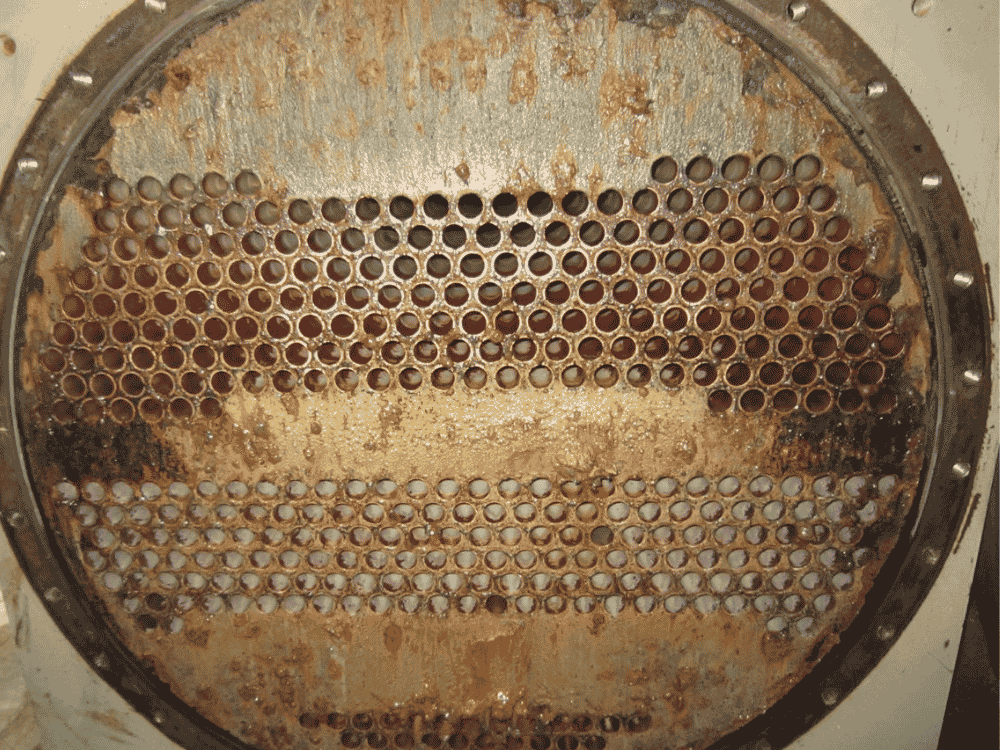
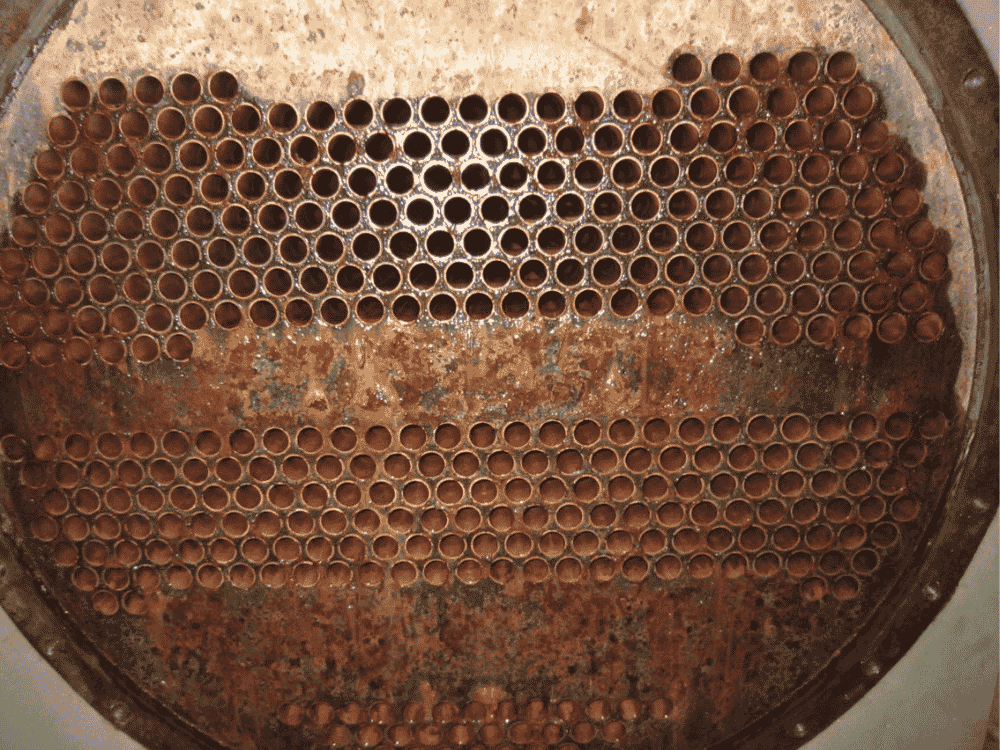
A major listed real estate management group, Hong Kong: remaining condenser scale eliminated within 12 months — with no pre-cleaning — leading to 100+ HydroFLOW units across 50+ shopping malls. Read the case study →
Where the Savings Add Up
Scale and biofilm carry a continuous cost across a building's water — fuel, water, chemicals, contractor days and plant life. Hydropath addresses six of the most significant recurring costs.
Reduced Maintenance & Downtime
Cleaning intervals stretch when deposits stop bonding. Across 50+ Hong Kong shopping malls, annual condenser tube cleaning shifted to on-demand, and at a global bank's Hong Kong building, yearly acid cleaning stopped being the routine.
Lower Energy Costs
Scale insulates heat-transfer surfaces — around 1 mm can cut heat transfer by about 7%. The Hong Kong bank building measured a 16% chiller efficiency improvement over a year, and energy was one of the three savings lines behind the Ontario residential building's $11,639 minimum annual saving.
Fewer Chemicals to Buy & Handle
Cleaner systems need less chemistry to stay that way. A Fortune 100 headquarters cut cooling chemicals 75%; Nellis Air Force Base ran a cooling tower 10 months chemical-free with no scale return; the Ontario building stopped boiler dosing entirely — $7,500 a year of it.
Water Saved at the Cooling Tower
When scale stops forming, towers run at higher cycles of concentration and send less water down the drain. The Fortune 100 HQ cut blowdown 85%; an Arizona municipal building cut it 68% while running at 7,000 µS, and a Phoenix plant ran 150% higher conductivity with no scale deposits over its nine-month study.
Longer Plant & Pipework Life
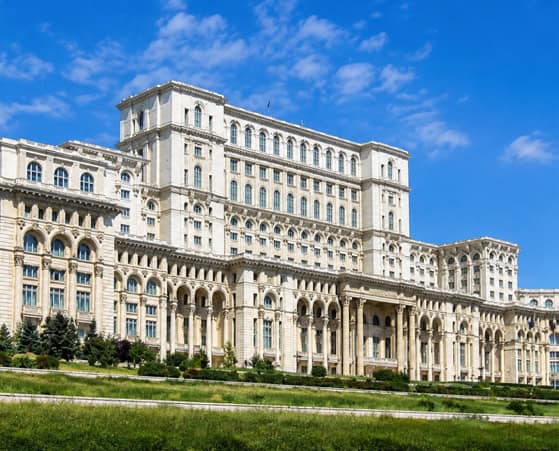
Equipment lasts when its surfaces stay clean. The Ontario building's calculated savings reach $139,670 over the boiler system's assumed 12-year life, with no tube corrosion observed, and at Bucharest's Palace of Parliament, new pipework was protected from further deposits while 30-year-old sections visibly improved.
Fast Return on Investment
A single fitting, no consumables and no servicing schedule. The US office complex put estimated ROI at around six months — its planned 90-day trial ended in an outright purchase — and a US convenience chain reckons 6–12 months per store across a 30-store estate. Ontario's calculated payback: two years.
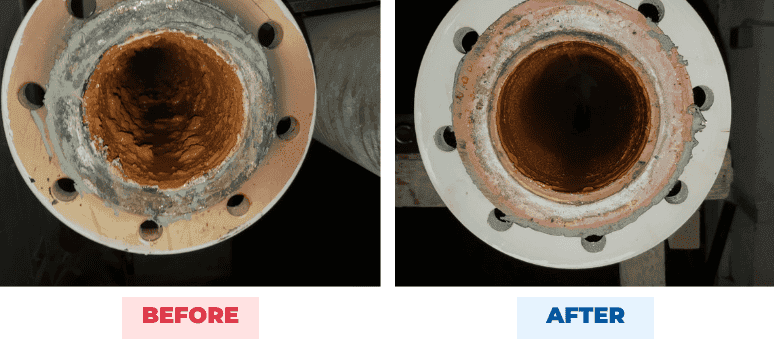
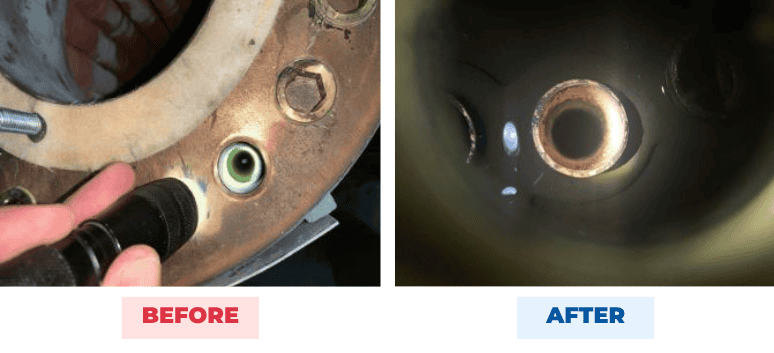
Palace of Parliament, Bucharest: hot-water pipework serving more than 1,000 rooms carried heavy biofouling and rust deposits. Over a six-month trial with one HydroFLOW® i120 on the 120 mm supply line, visual inspection found about 50% less biofouling across both tested sections, with the newer pipe protected from further deposits.
Palace of Parliament pipe before and afterDon’t take our word for it — test it on your own building.
Every energy, water, chemical and maintenance figure on this page is designed to be independently verified: a unit on one system, measured against your own utility bills, maintenance logs and sampling results, with a documented step-by-step testing protocol.
Get a Free Site Water Assessment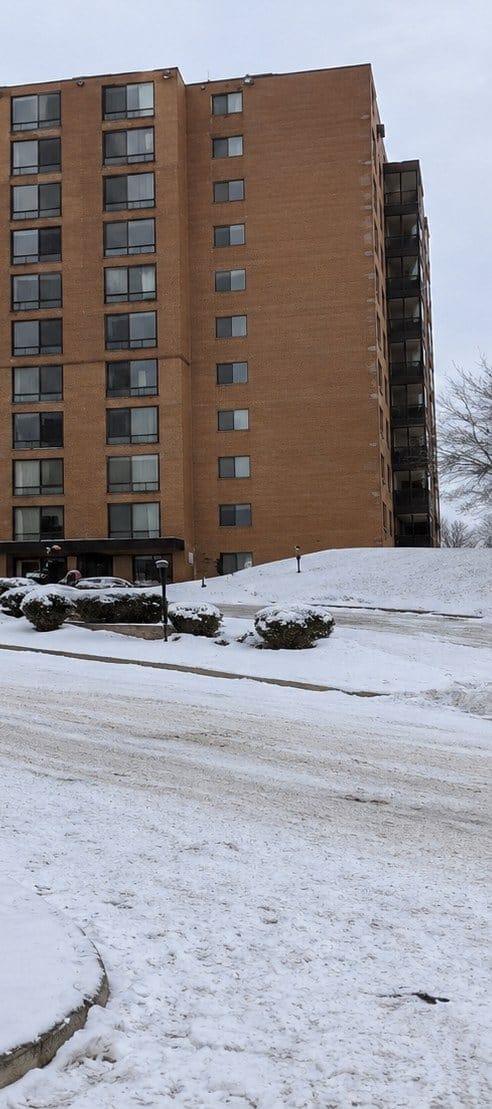
Commercial Water Treatment Physical, Not Chemical!
A physical scale inhibitor for boilers, calorifiers, cooling towers, washrooms and commercial kitchens, powered by a patented electronic signal
HydroFLOW® induces a patented ~150 kHz signal into the water through the pipe wall. The signal changes how dissolved minerals behave: instead of bonding to heat-exchanger plates, boiler tubes, condenser surfaces and fixtures as hard calcium carbonate scale, calcium and magnesium ions form loose clusters in the water. Where the water is heated or concentrated — at a calorifier coil, a chiller condenser, a cooling-tower basin — those clusters crystallise in suspension, as fine particles carried through the system rather than fouling the surfaces they pass.
The result is scale control at the point where deposits are born — the moment of crystallisation — with no salt, no dosing and no cut into the pipe. The signal propagates in both directions through the pipework, so a single unit on the incoming main or a plant-room feed protects the circuit beyond it. It works on copper, steel and plastic alike, and it continues working on water standing in the system over weekends, in vacant floors and through holiday shutdowns — exactly the low-turnover periods when scale settles and biofilm consolidates.
Because the treatment alters how minerals behave rather than what the water contains, nothing enters the water and its composition, hardness reading and taste are unchanged — no salt, no residue, and nothing new for tenants to notice or for the building's water-safety file to declare. Your potable-water duties, temperature regime and sampling programme stay exactly as they are; we can supply the technical documentation your risk assessor or water-treatment contractor asks for.
Learn More About Our TechnologyOne Technology — Cleaner Plant, Fewer Interruptions
Across boilers, calorifiers, cooling towers, washrooms and kitchens, one fitting changes what your water costs you.
Treated Water Redissolves Deposits
Because new scale stops forming, the water regains capacity to dissolve minerals — and slowly draws existing calcium carbonate back into solution, layer by layer, from boiler tubes, condenser surfaces and pipework alike. Across Hong Kong's treated malls, remaining condenser scale was gone within 12 months.
Gradual and Safe by Design
Progressive removal avoids the risks of acid descaling: no concentrated acid in the plant room, no metal thinned by the descale itself, and no system drained down while the building is occupied. Expect loosened material at strainers and fixtures in the first weeks — that is the system clearing, and it settles.
Measured in a Working Building
At Northview REIT's Ontario residential building, a boiler that had scaled visibly within three months — despite chemical dosing — was inspected six months into treatment: heat-transfer surfaces free of build-up, no new scale, and no tube corrosion observed. See the record.
A Different Approach to Building Water
How HydroFLOW® compares with the usual ways of protecting commercial plant from hard-water scale.
| HydroFLOW®Physical conditioner — no chemicals | Salt water softener | Chemical dosing contract | Acid descaling | |
|---|---|---|---|---|
| How it works | Electronic signal crystallises minerals in suspension so they cannot bond as scale in boilers, condensers and fixtures | Removes calcium & magnesium from the supply by ion exchange, substituting sodium | Dosed chemistry interferes with crystal growth or holds minerals in the water | Acid strips deposits after they have formed |
| Effect on drinking water & taste | None Nothing added; composition, hardness reading and taste unchanged | Altered Raises sodium in the water tenants and staff drink; brine discharge to drain | Managed Dosed product in the system; dose control and records to keep | None Systems rinsed before return to service |
| Serves the cooling side | Yes Same technology on condenser loops and tower make-up — one approach across the building | Rarely Sized for potable supply; softening tower make-up at scale is its own project | Yes The standard route — as a permanent recurring cost | Reactive Cleans condensers after performance is already lost |
| Cooling-tower cycles & water use | Improved Documented sites ran at higher conductivity with less blowdown — 68–85% blowdown reductions on this page | Indirect Softened make-up changes the chemistry but adds salt, water and regeneration costs | Managed Inhibitors allow moderate cycles; chemical and monitoring costs scale with water | None No effect on operating cycles |
| Consumables | None No salt, no acid, no dosing | Regular salt deliveries, storage and regeneration water | Continuous chemical purchase, storage and COSHH handling | Acid, neutralising and labour at every clean |
| Removes existing scale | Yes Gradually redissolves deposits | No Prevention only, downstream of the unit | Partial Depends on dose and programme | Yes But with downtime and metal loss at every clean |
| Legionella programme compatibility | Works alongside Disrupts the biofilm that shelters bacteria — your risk assessment, temperature regime and sampling stay in place | Indirect Softening does not address biofilm or existing scale | Parallel Biocide programmes address bacteria directly; scale and biofilm control still determine how well they reach it | Reactive Cleans vessels but does not stop deposits returning |
| Downtime to fit | None Installs around the existing pipe; no drain-down, no floors out of service | Cut-in installation, drain-down, drainage and power | Injection point, dosing pump, tank and monitoring | Systems offline for every clean |
Swipe sideways to compare all four methods →
Comparison reflects typical products in each category; individual systems vary. HydroFLOW® is not a filter and not a disinfectant — filtration, disinfection, closed-loop corrosion inhibition where specified, and the site's Legionella risk assessment and ACOP L8 duties remain in place.
Applications
Key applications for commercial buildings & facilities
A building's water challenge runs from the incoming main to the cooling towers on the roof. Each application links to its dedicated treatment page.
Limescale & Hot Water Systems
Protects boilers, calorifiers and hot-water storage — the plant behind every washroom and kitchen — and gradually removes the scale already there.
Heat Exchangers & Calorifiers
Keeps plate and shell-and-tube exchangers clean in heating and hot-water circuits, protecting heat transfer and cutting descaling downtime.
Cooling Towers & HVAC
Protects condensers, cooling towers and chillers from scale and biofouling — with less blowdown, fewer chemicals and steadier approach temperatures.
Legionella & Water Safety
Disrupts the biofilm that shelters Legionella from temperature and chlorine, supporting the duty holder's control scheme — never replacing it.
Biofouling & Biofilm
Helps disrupt biofilm in long pipe runs, return loops, dead legs and intermittently occupied floors — the low-flow places where it consolidates.
Pools, Gyms & Leisure Facilities
Supports clearer pool and spa water with less chemical demand in leisure centres, gyms and campus facilities — and protects the plant that serves them.
Some buildings have pages of their own: hospitals & care settings, data centres, and food & beverage production. For the product range itself, see commercial products.
Process Overview
Simple Installation. No Floors Out of Service.
Our patented technology retrofits onto your existing pipework while the building stays open.
The Fit
The HydroFLOW® unit installs around your existing pipework — incoming main, plant-room feed or condenser loop — with no cutting, no drain-down and no floors out of service. Typically under an hour, with the building operating throughout.
The Signal
A patented electronic signal propagates in both directions through the water, treating the circuit from a single point. It works through copper, steel and plastic alike, and continues on water standing over weekends, in vacant floors and through holiday shutdowns.
The Results
The biology responds first — the US office complex's bio-counts fell within days. Plant records build over months, as Ontario's six-month boiler inspection shows, and existing condenser scale clears over a year, as it did across Hong Kong's malls.
Proven On Site
Real Buildings. Real Results.
Drawn from Hydropath installations and our customers' own records across offices, shopping centres, residential blocks and public estates.
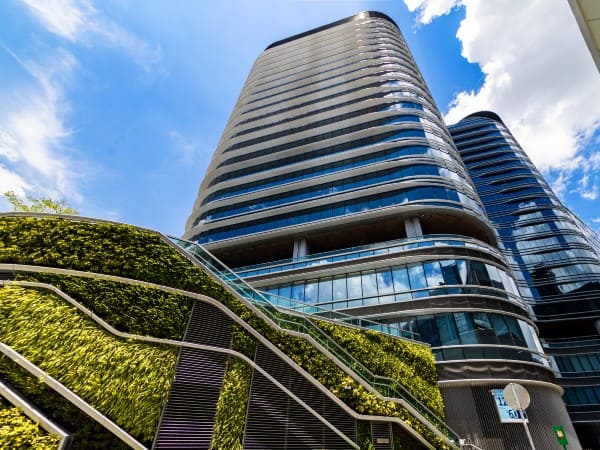
Hong Kong Malls: Scale Gone in 12 Months, 100+ Units
A HydroFLOW pilot removed condenser scale within 12 months, leading to 100+ units across 50+ Hong Kong malls.
Palace of Parliament: 50% Less Biofouling in 6 Months
A six month trial at Bucharest's Palace of Parliament cut hot water pipework biofouling by about 50% in both new and 30+ year-old pipe sections.
US Office Complex: Bio-Counts 100,000 to Under 1,000
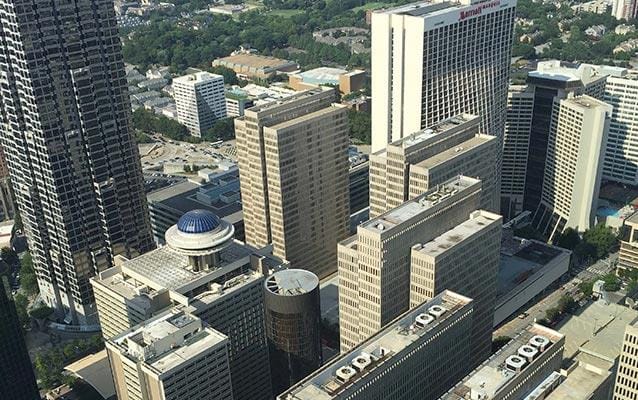
A 2.3 million sq ft US office complex cut cooling tower bio-counts from 100,000 CFU to below 1,000 within days with one HydroFLOW® Custom 14 inch unit.
Support & FAQ
Frequently Asked Questions
What is commercial water treatment?
Commercial water treatment is the set of measures that keep a building's water systems safe, efficient and reliable — controlling Legionella in hot and cold water services, managing hardness and limescale in boilers, calorifiers and hot-water plant, and conditioning the cooling-tower and chiller water behind the air conditioning. In the UK the water-safety side is a legal duty under ACOP L8 and HSG274, resting on whoever controls the premises. HydroFLOW® adds a chemical-free physical layer inside that framework: it changes how minerals behave in the water so scale and biofilm stop forming on the surfaces where they cost energy, water, chemicals and maintenance. It is not a disinfectant and not a filter — those duties and systems stay with the site.
Is there an alternative to a commercial water softener?
Yes — the question is what job you need done. A salt softener removes hardness minerals from the supply by ion exchange; it needs salt logistics, regeneration water and drainage, raises the sodium in the water people drink, and does nothing for scale already in the system. If the actual job is stopping scale from damaging plant, a physical conditioner does it without changing the water: HydroFLOW® keeps minerals crystallising in suspension instead of on surfaces, works on the cooling side as well as the potable side, and gradually redissolves existing deposits. The Ontario residential building replaced its boiler dosing regime this way, and a US convenience chain fitted compact units across 30+ stores rather than installing softeners in each.
Do electronic water conditioners actually work?
Scepticism here is earned — the market is full of low-cost plug-in descalers with wrap-around wires, and independent reviewers rightly find many wanting. We would make three distinctions. First, mechanism: HydroFLOW® is not a magnet or a static coil — it induces a patented ~150 kHz electric signal into the water itself, propagating along the pipework in both directions from the unit, and the units are sized to the pipe and application, from 15 mm domestic feeds to custom industrial mains. Second, evidence: the results on this page are documented site records — 85% blowdown reduction at a Fortune 100 headquarters, a measured 16% chiller efficiency gain in Hong Kong, chemical-free cooling at Nellis AFB with no scale return — measured on site, not in a brochure. Third, verifiability: we recommend judging it the way the US office complex did — a trial on one system against your own logs. Theirs was planned for 90 days and ended in an outright purchase.
Does hard water damage commercial boilers and calorifiers?
It is the most expensive place scale can sit. Around 1 mm of scale can cut heat-transfer efficiency by about 7-10%, paid in fuel on every litre heated — and space heating is already about a third of a commercial building's energy use. The maintenance cost compounds it: descaling contractors, drained vessels and downtime on a shortening cycle. The Ontario residential building shows the full arithmetic: visible scale within three months on a relatively new boiler despite dosing; after treatment, surfaces free of build-up, dosing stopped ($7,500 a year of it), and minimum calculated savings of $11,639 a year — $139,670 over the system's assumed 12-year life.
How do you remove limescale from a building's hot-water system?
There are three usual routes. Mechanical cleaning and acid descaling remove deposits after they have formed — at the cost of downtime, acid handling and metal loss, and the scale returns because nothing has changed in the water. Softening prevents new scale downstream but removes nothing already there. HydroFLOW® works differently: with new deposits no longer forming, the water regains capacity to dissolve minerals and draws existing scale back into solution gradually, layer by layer, while the system stays in service. Across Hong Kong's treated malls, remaining condenser scale was gone within 12 months. Expect loosened material at strainers and fixtures in the first weeks — that is the system clearing.
What does scale do to cooling towers and chillers?
Cooling towers concentrate minerals by design — evaporation leaves the hardness behind — so scale lands on the surfaces that matter most: condenser tubes, where it raises approach temperatures and forces the chillers to work harder for the same cooling. The conventional remedy is itself a cost: heavy blowdown to hold conductivity down, plus a continuous chemical programme. The documented sites on this page attack that trade-off directly: a Phoenix plant ran 150% higher conductivity for nine months with no scale deposits and no chemicals, an Arizona municipal building cut blowdown 68%, and the Fortune 100 headquarters cut it 85%, saving $73,400 a year in water and energy.
Who is responsible for Legionella control in a commercial building?
In the UK, whoever controls the premises — the employer, landlord, managing agent or facilities manager — is the duty holder under ACOP L8, with a named responsible person running the scheme day to day. The duty covers a risk assessment, a written control scheme (temperatures, flushing, cleaning, monitoring) and records that prove it works; in multi-tenant buildings the landlord and tenants each hold duties for the systems they control. ACOP L8 sets no fixed interval for reassessment — it requires review regularly and whenever there is reason to think the assessment is no longer valid. Scale and biofilm are what make the regime struggle: rough scale gives biofilm a home, and biofilm shelters bacteria from temperature and chlorine. That is the layer HydroFLOW® addresses — supporting the scheme, never standing in for it.
Does it replace our water-treatment contract or Legionella programme?
No — and be wary of anything that claims to. HydroFLOW® is not a disinfectant and does not sanitise water: your risk assessment, temperature regime, sampling programme and written scheme stay exactly where they are. On closed heating and chilled circuits, corrosion inhibition specified for the metallurgy also stays — scale control is not corrosion chemistry. What the documented sites show is the workload changing: Nellis AFB ran its treated tower 10 months chemical-free on the scale side, the Arizona municipal building kept only a small biocide application, and the Fortune 100 site cut chemical use 75% — reductions measured against each site's own programme, with the programme's duties intact.
Is it a filter, and does it change the water people drink?
No to both. HydroFLOW® is not a filter and does not remove sediment or suspended solids — any filtration stays in place, and in the first weeks you should expect more material at strainers, not less, as existing scale releases. And nothing enters the water: the unit induces its signal through the pipe wall without contacting the flow, so composition, hardness reading and taste are unchanged — no salt, no residue, nothing for tenants or staff to notice and nothing new for the building's water-safety file to declare. If your primary problem is supply quality or sediment rather than scale and biofilm, filtration and supply treatment are the answer and we will tell you so.
Can it be fitted without shutting the building down?
Yes. The unit installs around the outside of the existing pipe — no cutting, no drain-down, no interruption to hot water or cooling — typically in under an hour, with the building operating throughout. That also makes trials straightforward: a unit on one system, measured against your own utility bills, maintenance logs and sampling results. That is how the larger estates on this page started — Hong Kong's 100-unit mall estate began as a single flagship-mall pilot in 2013, and the US office complex bought its trial unit outright and extended site-wide.
How quickly will we see results?
It depends what you measure. The biology responds first — the US office complex's cooling-tower bio-counts fell from approximately 100,000 CFU to below 1,000 within days. Operating figures move over weeks to months: blowdown and chemical use fall as conductivity is allowed to rise, and plant inspection records build the way Ontario's six-month boiler record did. Existing deposits go slowest: Hong Kong's malls took around 12 months to clear remaining condenser scale, and the bank building's 16% efficiency gain was measured over a year. Weekends and shutdowns do not pause it — the signal keeps working on standing water.
Ready to Cut Scale, Energy and Maintenance Costs?
Tell us about your building — the systems, the water and what fails first — and our team will recommend the right units and set out what to expect, including where our assessment is that we cannot help.
Ready to explore sustainable water treatment?
Get in touch to find out how HydroFLOW® can work for you.

© 2026 Hydropath Technology Ltd. All rights reserved