
Hospital Water Treatment & Legionella Control
Safer Water. Cleaner Systems.
Within a hospital, water is a patient-safety system as much as a utility. Limescale and biofilm reinforce one another in hospital water systems: scale gives biofilm the rough, sheltered surface it colonises, and together they harbour the bacteria a Legionella control regime targets — while the same scale erodes chiller efficiency. HydroFLOW® controls both, without chemicals, from a unit that installs onto existing pipework — with no shutdown, no ward closures and no interruption to care.
Results from named-site case studies; vary by site conditions and baseline operation. View all hospital case studies →
Where Hospital Water Carries Risk
A hospital brings together the conditions Legionella requires and the patients least able to withstand it: extensive water systems with long runs, dead legs, blended outlets and stored hot water, alongside patients who are immunocompromised, elderly or recovering from surgery. Legionella in hospitals multiplies within biofilm rather than in clean water — and limescale is what gives that biofilm its foothold, offering a rough, porous surface to anchor to, nutrients to draw on and cover from disinfection. The scale and biofilm lining pipework, calorifiers and cooling towers constitute the habitat itself.
These conditions place estates teams in a demanding position:
- Stored hot water, the hot water return and dead legs are where Legionella most often multiplies
- Limescale gives biofilm a rough, porous surface to colonise and the nutrients to grow
- Biofilm and scale together shield bacteria from chlorine and thermal disinfection
- Cooling towers and chillers present both a hygiene and an efficiency risk
- Every intervention must compete with clinical operations, as the system cannot simply be taken offline

What It Costs a Hospital Estate
Scale and biofilm affect a hospital in four areas simultaneously — compliance, patient safety, energy and the estates budget.
Legionella & Bacterial Risk
Biofilm harbours Legionella across the estate — in the hot water system and hot water return, calorifiers, dead legs and cooling towers — and the limescale it anchors to shields it from disinfection. It is the highest-consequence risk on the estate.
Scale on Chillers & Calorifiers
Around 1 mm of scale can cut heat transfer by about 7%, forcing chillers and hot water plant to burn more energy for the same output — and every scaled surface is somewhere biofilm can take hold.
Heavy Biocide & COSHH Burden
Chemical dosing entails storage, handling, COSHH documentation and discharge — all carried by an estates team that is already under considerable pressure.
The System Cannot Be Shut Down
Descaling, dosing changes and plant work all compete with live clinical operations. Downtime is not merely inconvenient; it is frequently impossible.
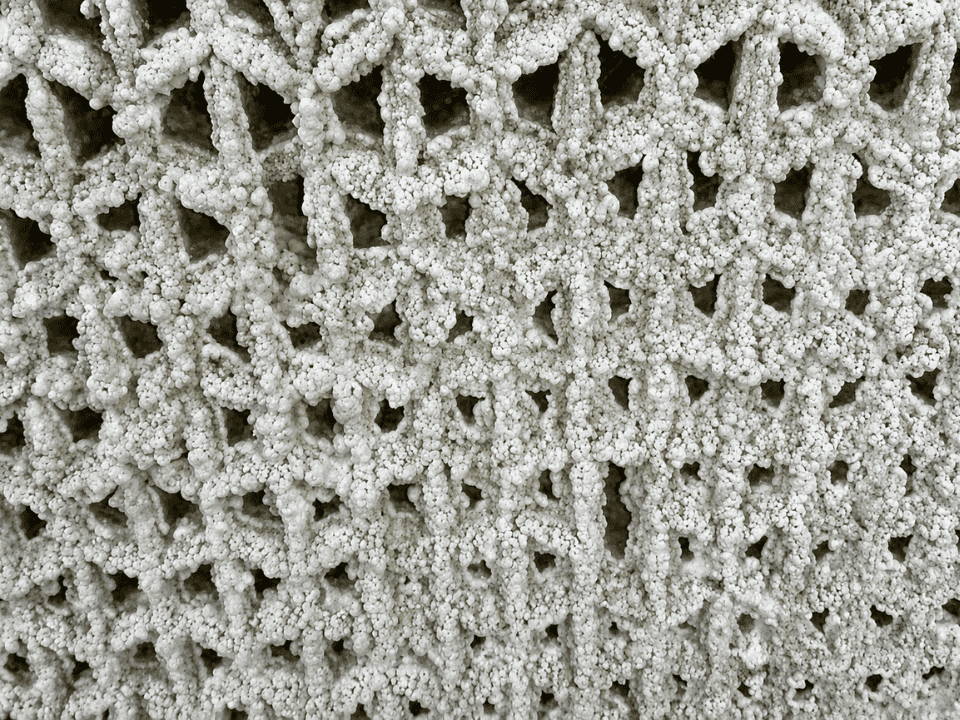
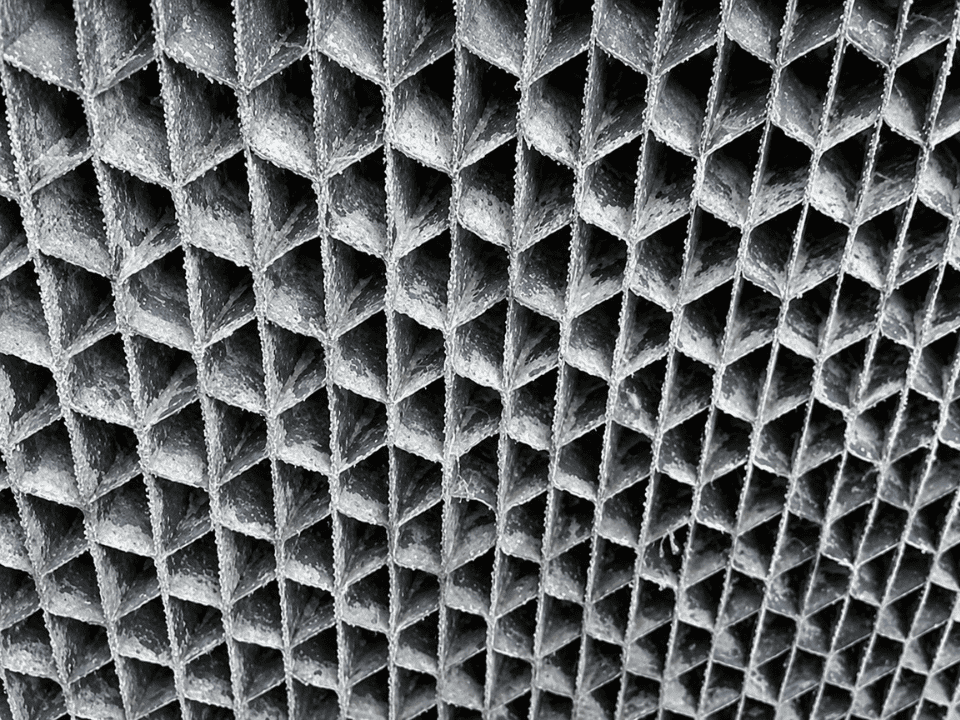
Sunrise Children's Hospital, Las Vegas: cooling-tower fill cleared of scale after fitting HydroFLOW® — chemical-free cooling with existing scale released. Read the case study →
To be clear: HydroFLOW® is not a disinfectant and does not replace your written scheme, temperature monitoring, sampling or responsible-person duties under ACOP L8 and HTM 04-01. It works inside that framework — controlling the biofilm and scale that make the rest of your programme less effective.
Where the Savings Add Up.
Scale and biofilm carry a continuous cost across a building’s chillers and loops — chemical dosing, water, energy, maintenance and plant life. Hydropath addresses six of the most significant recurring costs.
Lower Chemical Costs
Reduce biocides, scale inhibitors and acid dosing. A California hospital reduced its biocide use by 75%.
Water Savings & Reduced Blowdown
Run higher cycles of concentration and reduce blowdown — a Fortune 100 HQ in Houston cut blowdown by 85%.
Lower Energy Costs
Scale and biofilm insulate condensers and heat exchangers — around 1 mm of scale can reduce heat transfer by about 7%. Cleaner surfaces support efficiency and lower energy use.
Reduced Maintenance & Downtime
Less manual descaling and acid cleaning, with fewer scale-related stoppages — a Philippines site cut acid cleaning from every 3–6 months to once a year.
Extended Equipment Life
Supporting scale and corrosion control helps protect condensers, chillers and heat exchangers — deferring costly repair and replacement.
Fast Return on Investment
Lower chemical, water and energy use supports a rapid payback — an Arizona municipal building reported a 5.5-month payback.
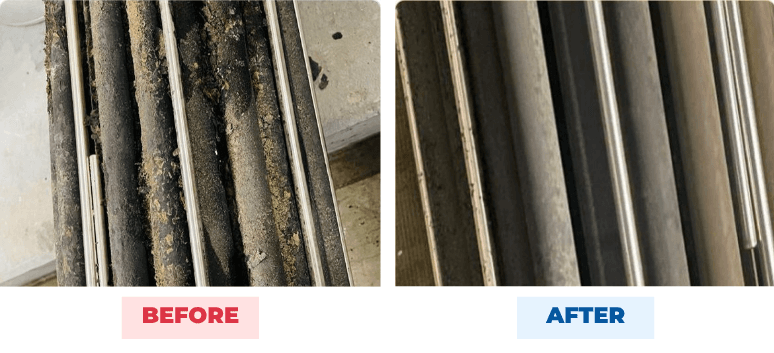
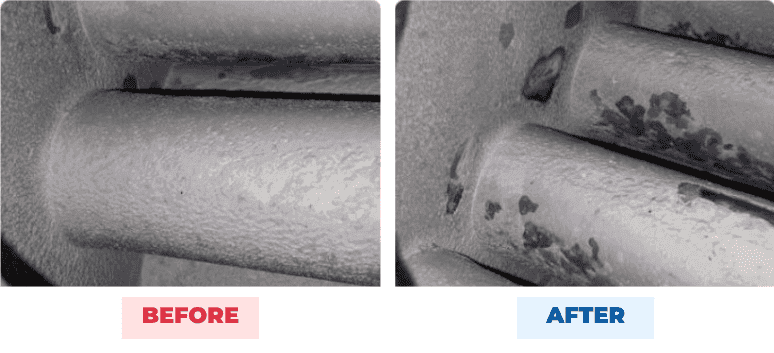
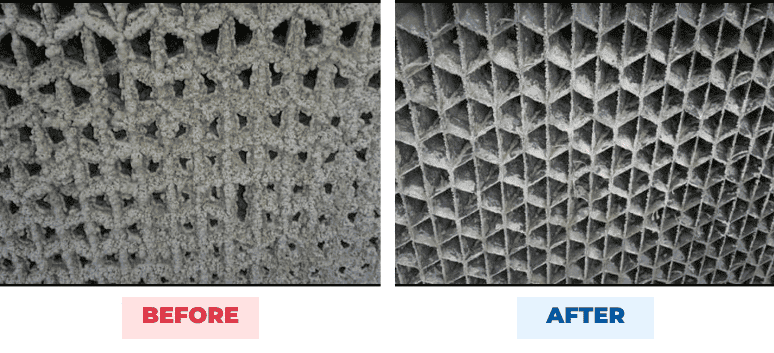
Macau Casino Hotel: a heavily fouled calorifier heater battery cleaned after fitting HydroFLOW® — calorifier scale controlled on hard water.
Macau Casino Hotel calorifier before and afterSee the results proven on your own water systems.
Every water, blowdown and energy saving described on this page is designed to be independently verified, using a documented, step-by-step testing protocol carried out on your own cooling towers, condenser water and hot water systems.
Talk to Our Team
Clean Surfaces, Chemical-Free Technology
Installed in an hour, on a live system
HydroFLOW® induces a patented ~150 kHz signal into the water through the pipe wall. Dissolved minerals form suspended crystals rather than bonding as hard scale, and biofilm is disrupted across the system — so bacteria lose the scale surface they colonise and the biofilm that shields them from your disinfection regime.
The signal propagates in both directions through the pipework, treating the entire circuit from a single point, continuously. Nothing is added to the water, nothing is cut and nothing is drained — which is why it is well suited to a facility that cannot be taken offline. Further detail is available on our Legionella control and biofilm pages.
Learn More About Our TechnologyApplications
Across the whole hospital estate
One signal protects every water system on site — each linking to its dedicated treatment page.
Legionella Control
Supports your Legionella risk-management plan across the distribution system — long runs, dead legs and outlets — by removing the biofilm and scale where bacteria harbour and multiply.
Hot Water & Boilers
Protects boilers, calorifiers and the hot water system — the stored hot water and hot water return where Legionella most often takes hold — while keeping thermal efficiency up.
Cooling Towers
Controls scale and biofilm on towers and condensers — protecting both hygiene and chiller efficiency.
Biofilm & Biofouling
Disrupts biofilm across pipework, calorifiers, tanks and cooling systems — the habitat behind most bacterial risk.
Limescale & Scale
Controls the calcium scale on calorifiers, heat exchangers and outlets that shelters bacteria and wastes energy.
Chillers & Closed Loops
Keeps chilled and condenser water loops clean and holds design efficiency across the plant room, including plate and shell-and-tube heat exchangers.
Process Overview
Simple Installation. Immediate Protection.
Fits a live hospital estate with zero disruption to clinical operations.
The Fit
The HydroFLOW® unit installs around existing pipework in the plant room — no cutting, no welding, no draining down, no ward closures. Any pipe material.
The Signal
A patented electronic signal treats the whole circuit continuously, keeping minerals in suspension and disrupting biofilm around the clock.
The Results
Cleaner surfaces support your Legionella regime, chillers hold efficiency, and biocide and blowdown can be progressively reduced.
Proven On Site
Real Sites. Real Results.
Hospital installations and the closest Legionella-control proof from the Hydropath library.
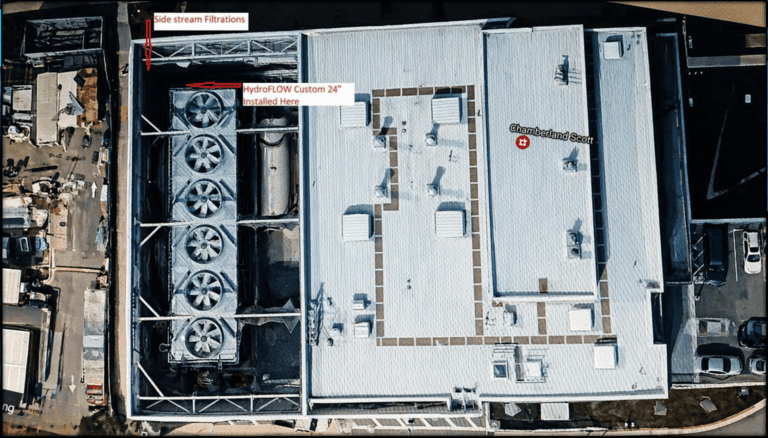
California Hospital: 75% Less Biocide, 65% Less Blowdown
A California medical centre cut biocide 75% and blowdown 65% on its cooling and chiller system with HydroFLOW units.
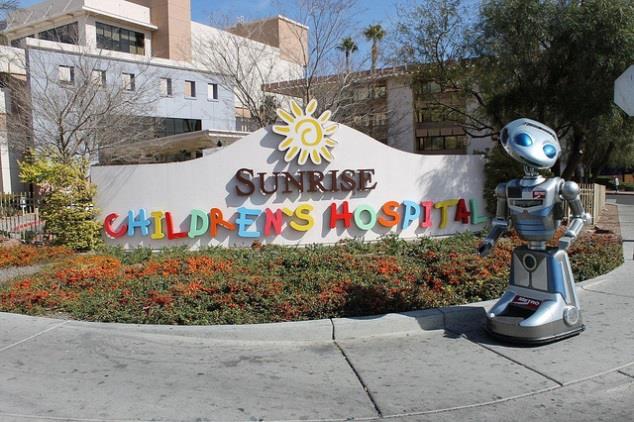
Las Vegas Hospital: Chemical-Free Cooling, Scale Released
A HydroFLOW unit enabled chemical-free cooling tower operation at Children's Hospital, Las Vegas, releasing scale.
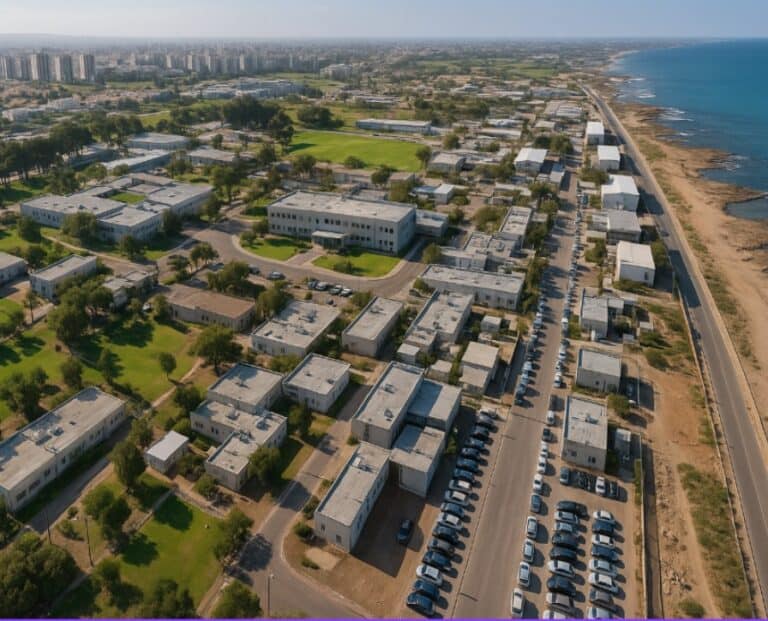
Middle East Hospital: 17 Months With No Acid Cleaning
Mazor Mental Health Centre extended heat exchanger cleaning intervals from 3–4 months to over 17 months with HydroFLOW® units and HydroKNCT monitoring.
Support & FAQ
Frequently Asked Questions
What is hospital water treatment?
Hospital water treatment is the combined set of measures that keep a healthcare site's water systems safe, hygienic and efficient — controlling Legionella and other bacterial risk, managing limescale and biofilm, and protecting plant like chillers, calorifiers and cooling towers. In the UK it is governed by ACOP L8, HSG274 and Health Technical Memorandum HTM 04-01 (Safe water in healthcare premises), and it is treated as a patient-safety duty rather than routine maintenance. HydroFLOW® adds a chemical-free physical layer that controls the scale and biofilm in which bacteria live, so that the wider water-safety programme performs more effectively.
Why is Legionella in hospitals such a critical risk?
Hospitals combine the two things Legionella needs with the people least able to survive it: large, complex water systems with long runs, dead legs and stored hot water, and patients who are immunocompromised, elderly or recovering from surgery. Legionella multiplies inside biofilm and limescale, so the deposits in a hospital's pipework, calorifiers and cooling towers are the habitat itself. That is why hospital water treatment is a patient-safety issue and a statutory duty under ACOP L8 and HTM 04-01, not merely a maintenance one.
Does limescale make Legionella harder to control?
Yes. Limescale and biofilm reinforce one another: scale gives biofilm a rough, porous surface to colonise and nutrients to draw on, and the resulting layer shelters Legionella and other bacteria from chlorine and thermal disinfection. Scale also narrows pipes and creates the stagnant, warm conditions in which Legionella multiplies. Controlling scale and biofilm physically removes that habitat, so a disinfection regime acts on the bacteria rather than on the material concealing them.
How does HydroFLOW® support Legionella control in hospital water systems?
In two ways, both indirect but important. It disrupts biofilm across pipework and heat-exchange surfaces, removing the environment where Legionella harbours and multiplies. And it controls the limescale that gives biofilm its foothold and shelters bacteria from disinfection. Cleaner surfaces mean your existing chlorine, thermal or biocide regime works on the bacteria rather than on the deposits hiding them. It supports your Legionella risk-management plan — it does not replace it.
Is HydroFLOW® suitable for NHS hospitals and does it fit HTM 04-01?
Yes. HydroFLOW® is designed to sit inside an existing water safety plan and water safety group structure as a physical control layer. It does not replace the written scheme, temperature regime, sampling or responsible-person duties set out in ACOP L8 and HTM 04-01 — it makes them more effective by keeping biofilm and scale under control between interventions. It installs on live NHS estates with no shutdown, ward closure or pipe cutting.
Does it replace our Legionella control programme or ACOP L8 duties?
No. HydroFLOW® is not a disinfectant and does not replace your written scheme, temperature monitoring, sampling, flushing regime or responsible-person duties under ACOP L8 and HTM 04-01. It sits inside that framework as a physical layer that keeps biofilm and scale under control between interventions, so the rest of your programme is more effective.
Can it be installed without disrupting a live hospital?
Yes — this is one of the main reasons hospitals choose it. The unit installs onto the outside of existing pipework: no cutting, no welding, no draining down, no ward closures and no interruption to water supply or patient care. It fits any pipe material and is typically installed in an hour on the plant room side, which matters when taking a system offline is not an option.
What does it do for hospital chillers and cooling towers?
Scale on condensers and chillers forces plant to work harder — around 1 mm can cut heat transfer by about 7% — while cooling towers are a recognised Legionella risk. HydroFLOW® controls scale and biofilm across the cooling circuit, protecting efficiency and supporting hygiene. A California hospital cut biocide by 75% and blowdown by 65%, and a Las Vegas hospital moved to chemical-free cooling with existing scale released.
Does it reduce chemical use on a hospital estate?
Typically yes. Because scale and biofilm are controlled physically, the chemical programme has less to fight: a California hospital reduced biocide by 75% and blowdown by 65%. Less biocide means less chemical storage, handling and COSHH burden on the estates team, less discharge, and a smaller footprint against the trust's sustainability targets — without weakening the hygiene regime.
Ready to Strengthen Your Water Safety Regime?
Tell us about your estate — cooling, hot water and Legionella regime — and our team will advise how HydroFLOW® can support it without disrupting a single ward.
Ready to explore sustainable water treatment?
Get in touch to find out how HydroFLOW® can work for you.

© 2026 Hydropath Technology Ltd. All rights reserved